- Destinations
- Nature & Wildlife
- Culture & History
- Travel Planning
- Australian Life
- Kangaroo Jacks Gift Co.
- Aussie Kids


Australia’s nature and wildlife form one of the most distinctive environmental stories on the planet. Shaped by ancient landscapes, long isolation and diverse climates, the continent supports an extraordinary range of species and ecosystems. From deserts and rainforests to alpine regions, wetlands and coastal environments, Australia’s natural world is rich, resilient and endlessly varied.
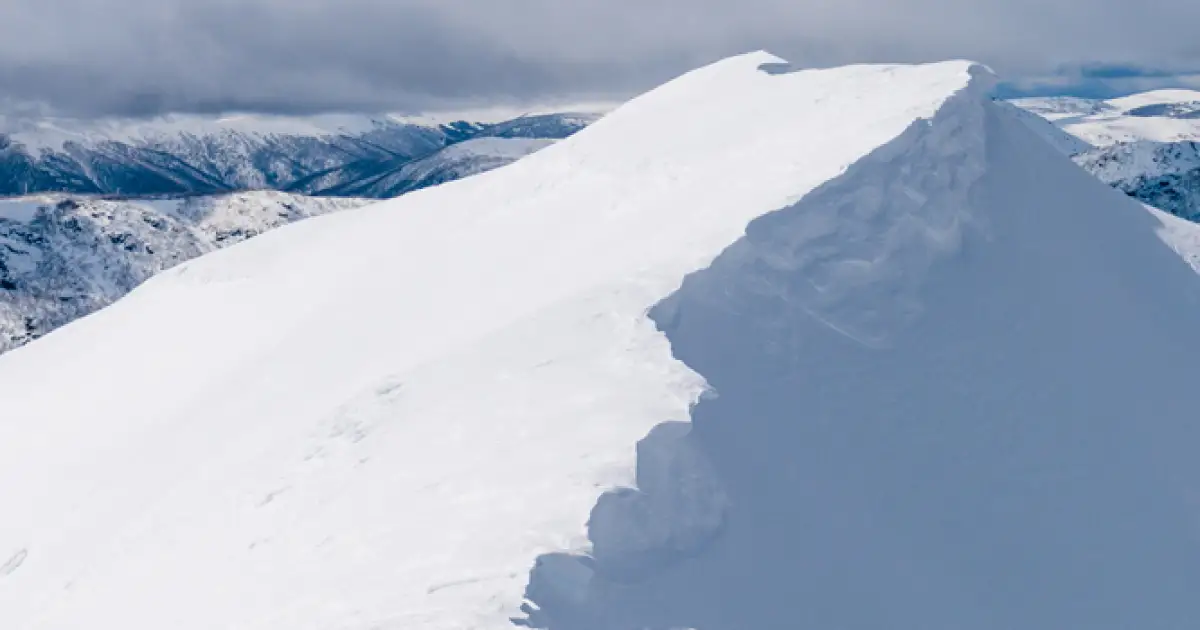
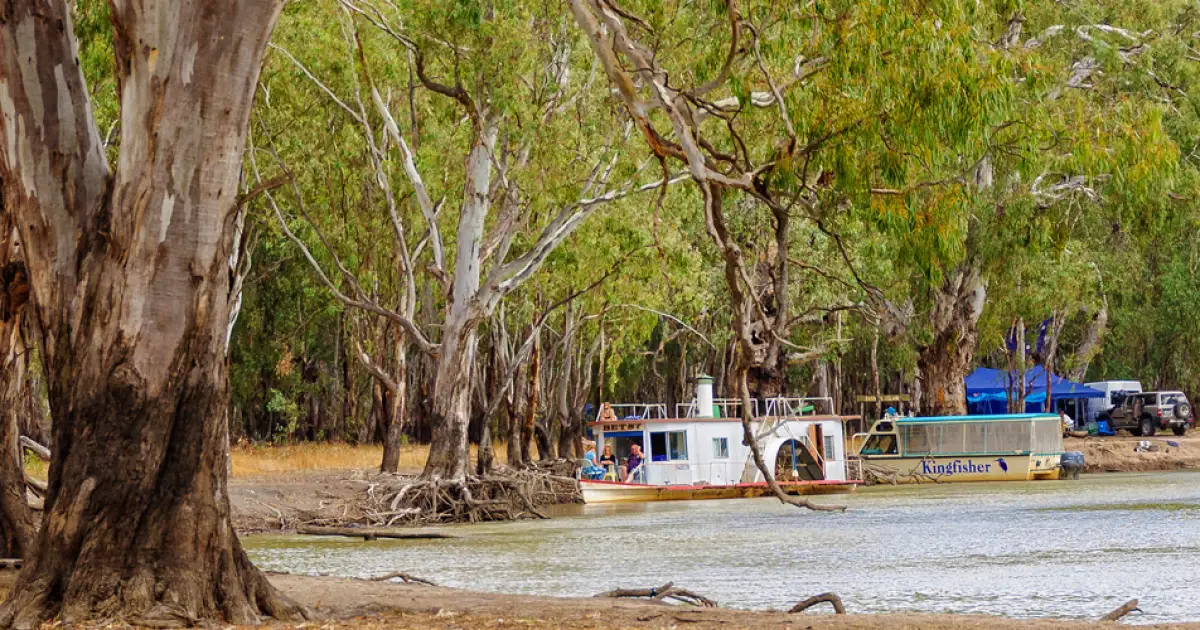
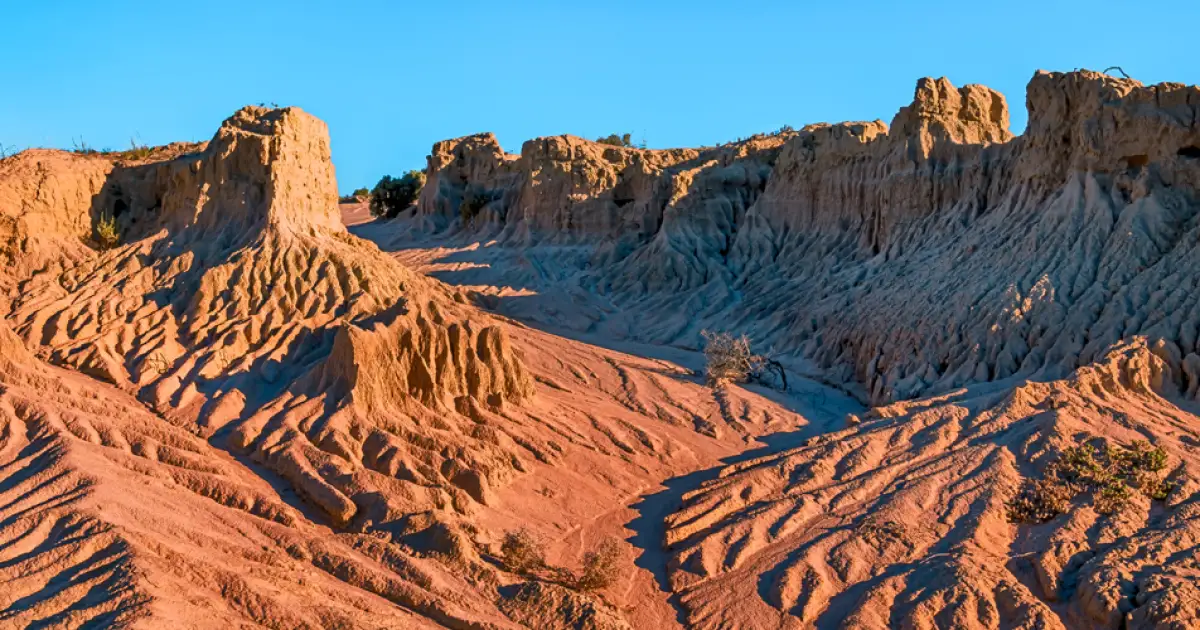
Australia’s landscapes influence every part of its wildlife. Arid inland regions support hardy plants and animals adapted to heat and limited water. Tropical and temperate forests provide shelter for birds, mammals, reptiles and countless invertebrates. Wetlands and rivers sustain fish, amphibians and freshwater species, while coastal and marine environments host coral reefs, seagrass meadows and deep-water ecosystems.
These environments create unique ecological relationships. Plants, animals, fungi and microorganisms interact in ways that maintain balance, support biodiversity and shape the character of the Australian landscape.
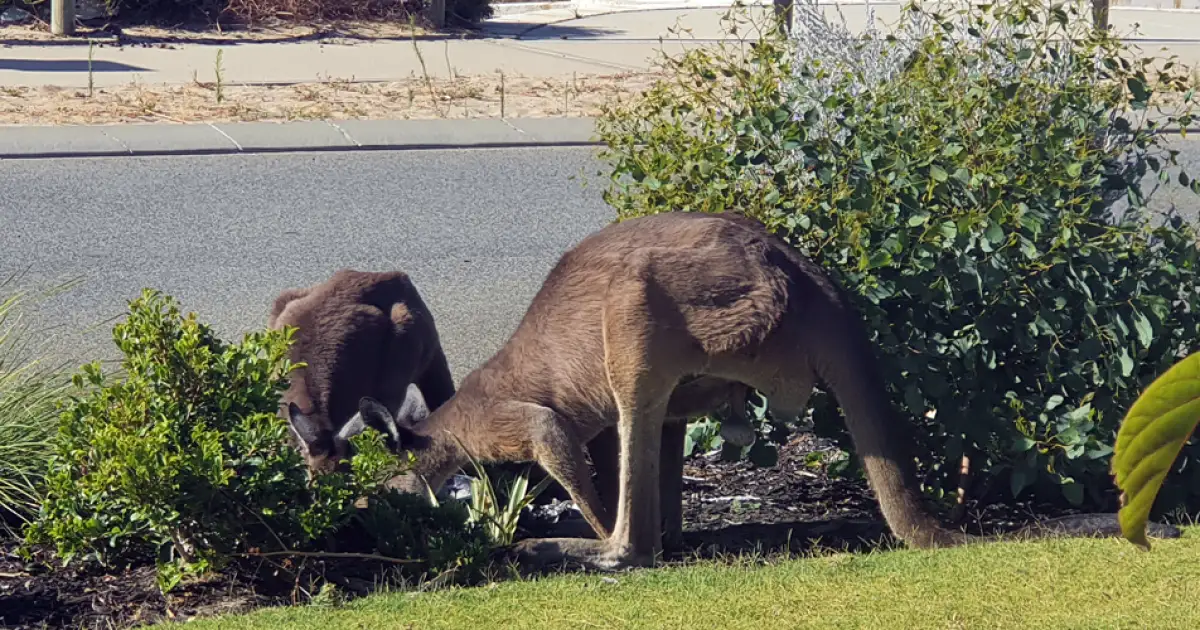
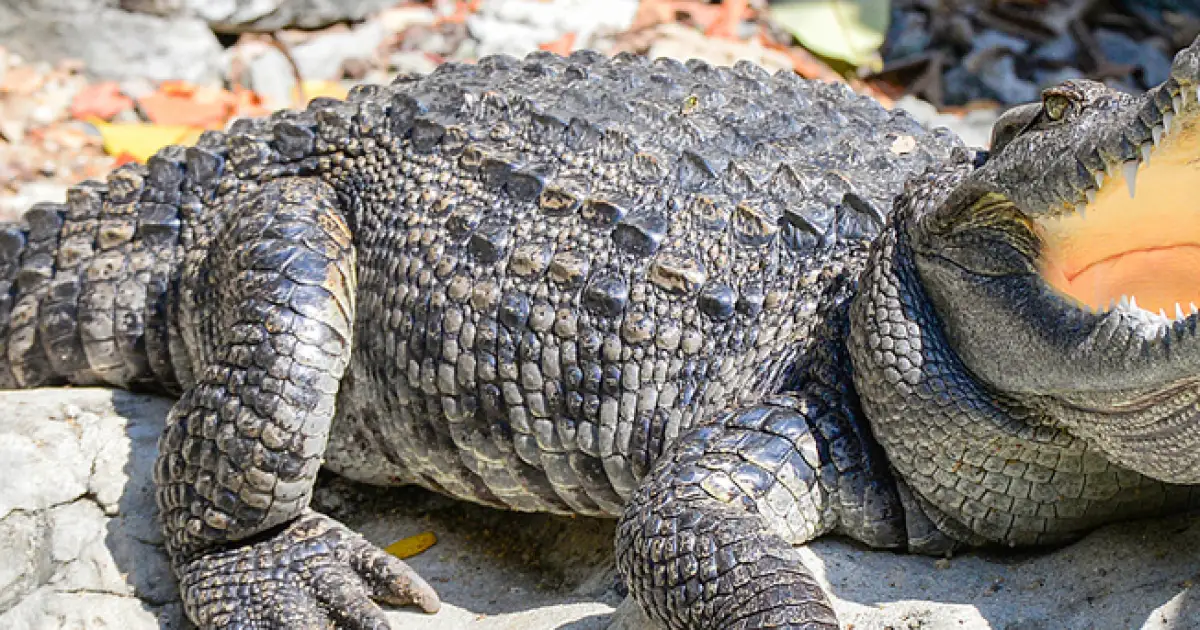
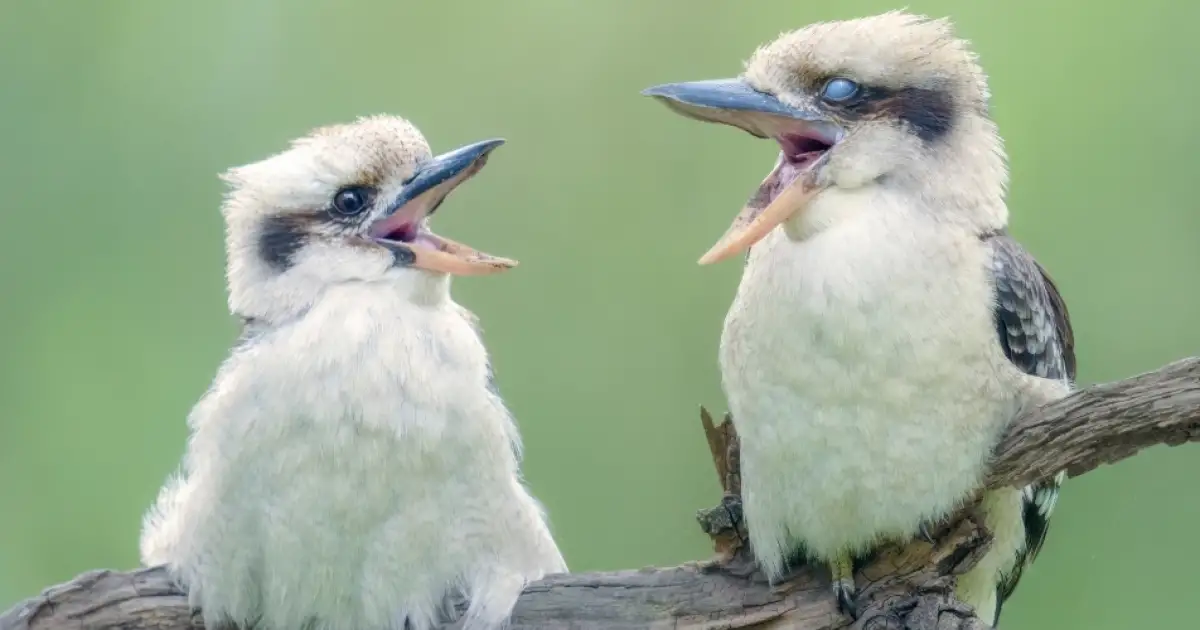
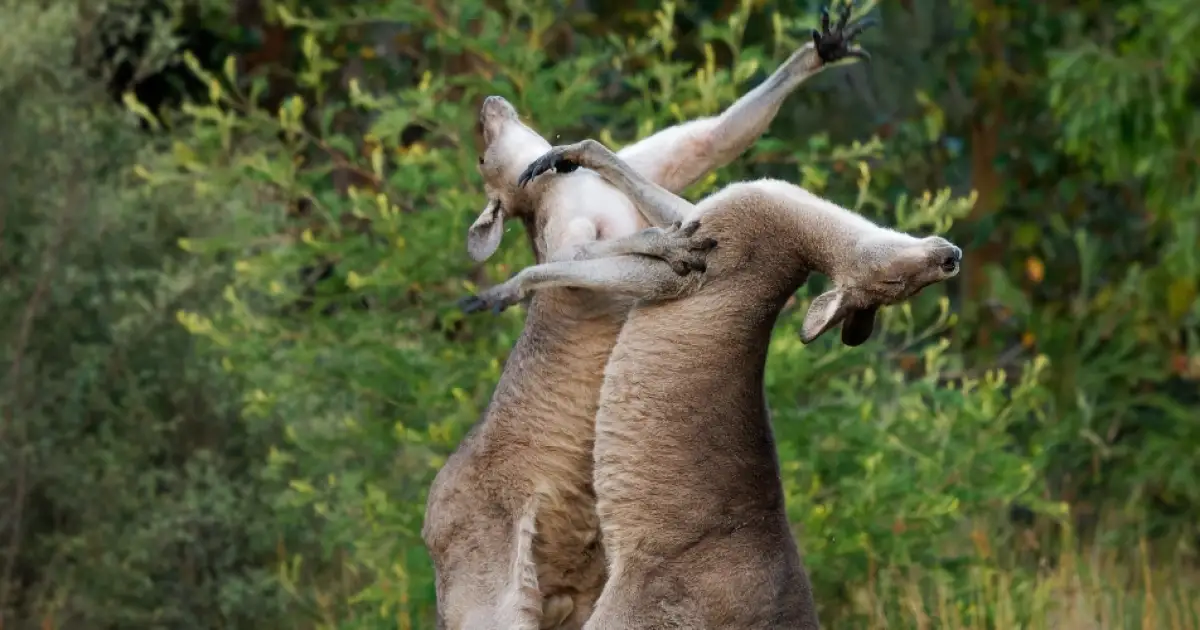
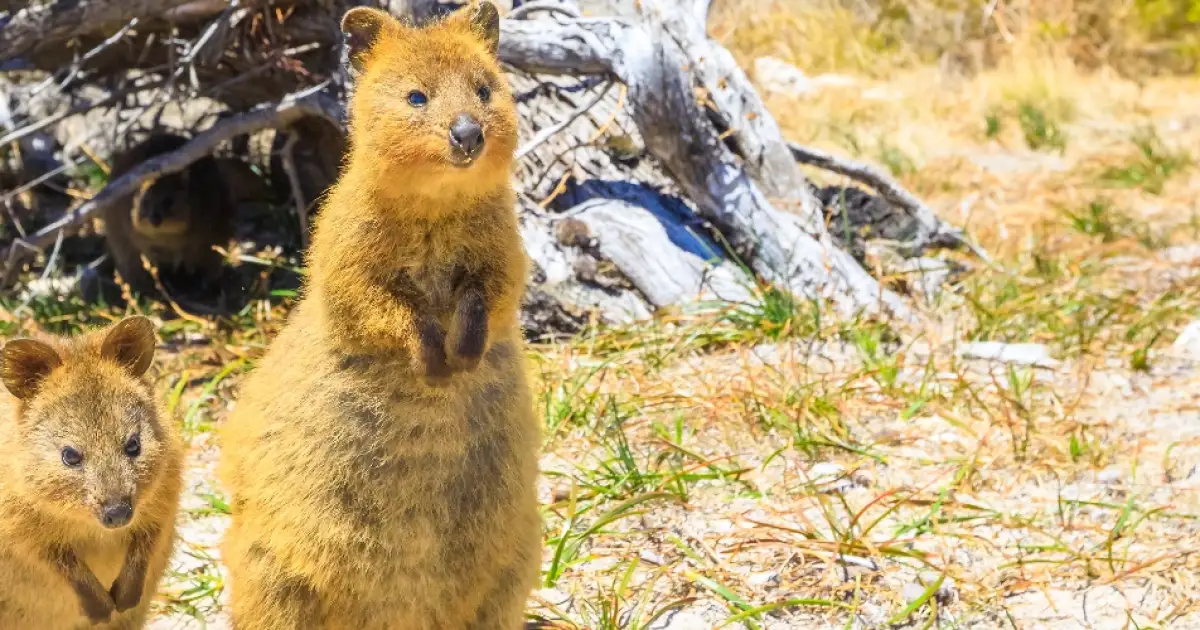
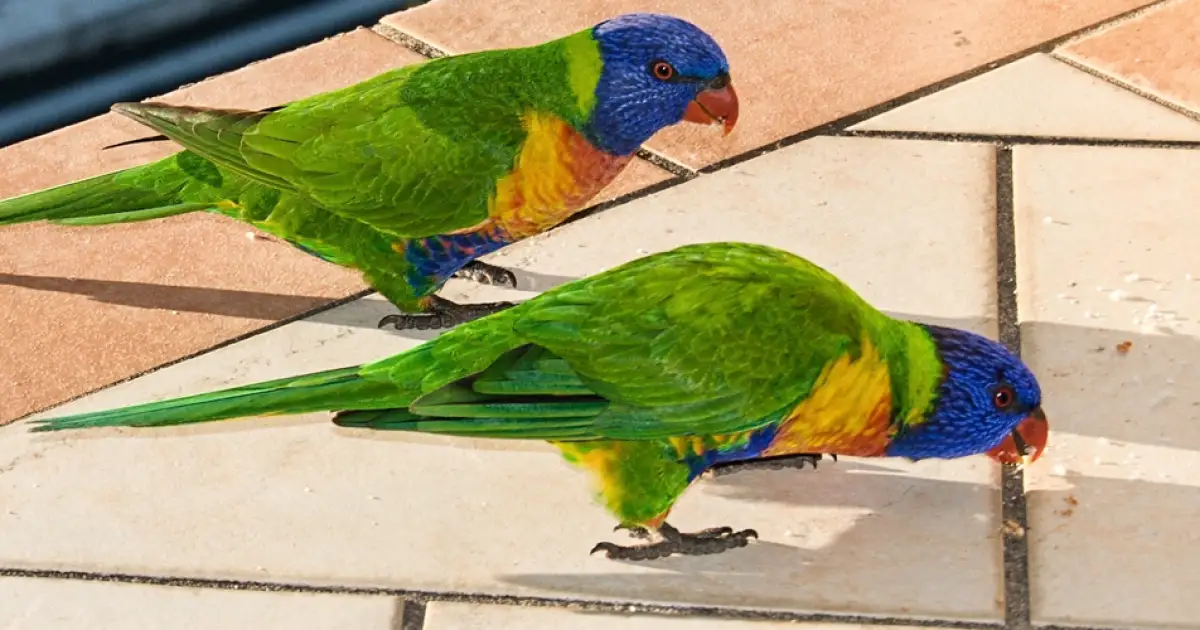
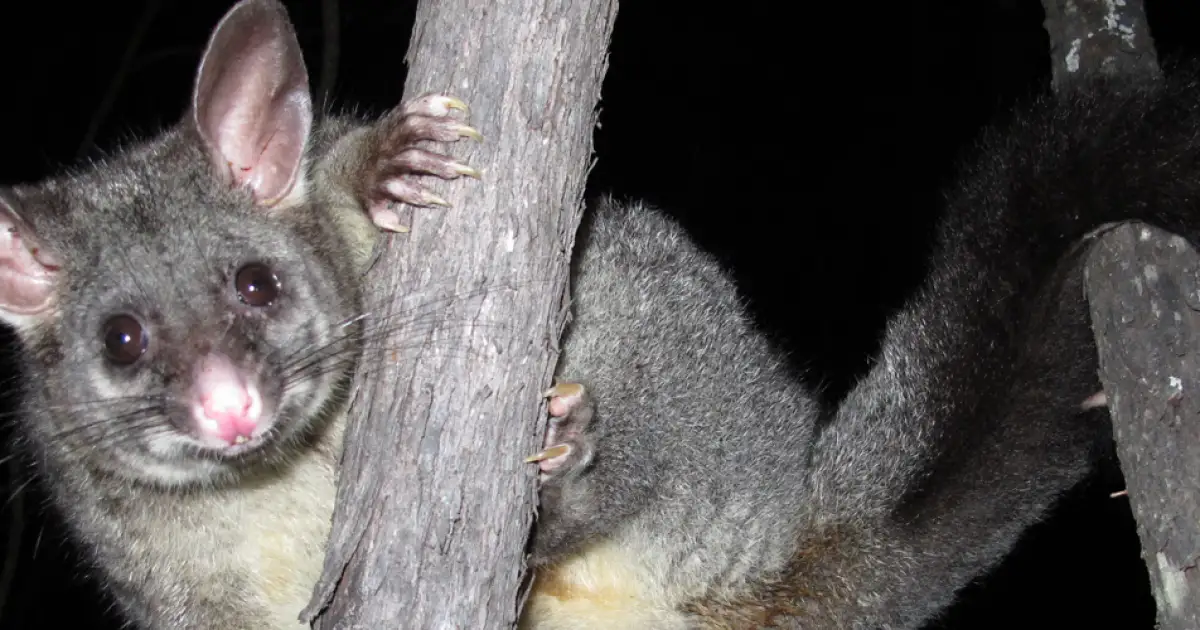
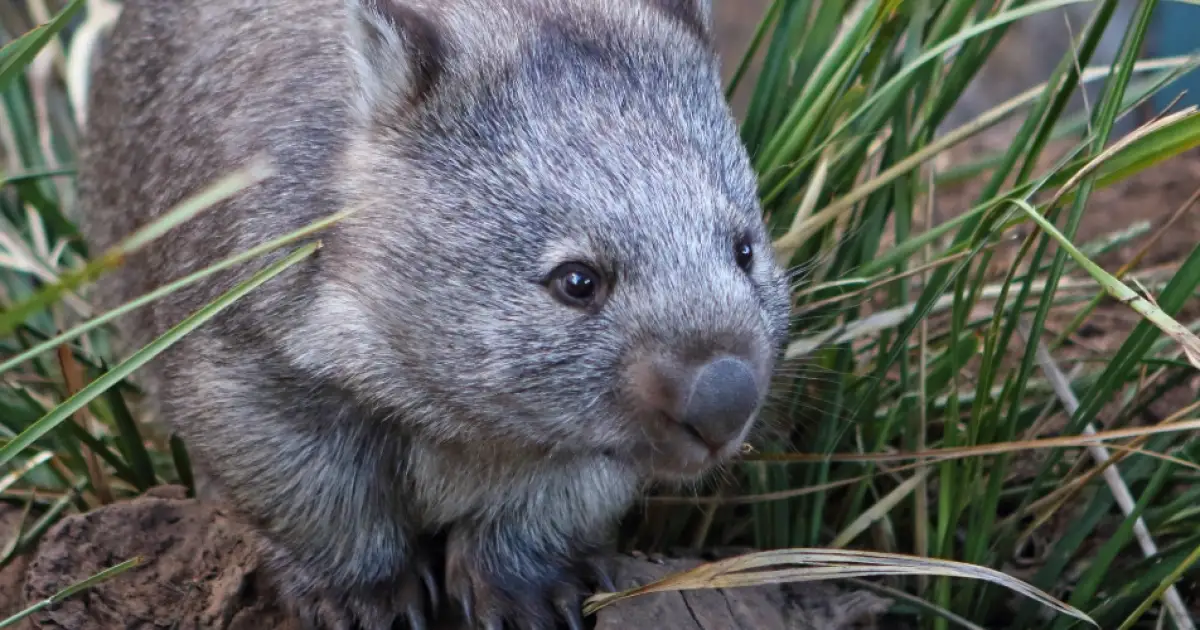
Australia’s wildlife includes iconic species such as kangaroos, koalas, emus and platypuses, along with a vast array of birds, reptiles, amphibians, insects and marine life. Many species are found nowhere else, reflecting millions of years of evolution in isolation. Their behaviours, adaptations and life cycles highlight the ingenuity and resilience of Australia’s natural world.
Wildlife is also part of everyday Australian life. Birds call from bushland and suburban gardens, lizards bask on rocks, marine mammals travel along the coast and insects support pollination and nutrient cycling. These encounters connect people to the environment and emphasise the importance of protecting natural spaces.
Australia’s nature and wildlife face pressures from habitat loss, land clearing, climate change, invasive species and altered fire regimes. Some ecosystems have been significantly affected, while others remain stable or resilient. Conservation efforts focus on protecting habitats, restoring landscapes, managing threats and supporting community involvement through monitoring and citizen science.