- Destinations
- Nature & Wildlife
- Culture & History
- Travel Planning
- Australian Life
- Kangaroo Jacks Gift Co.
- Aussie Kids


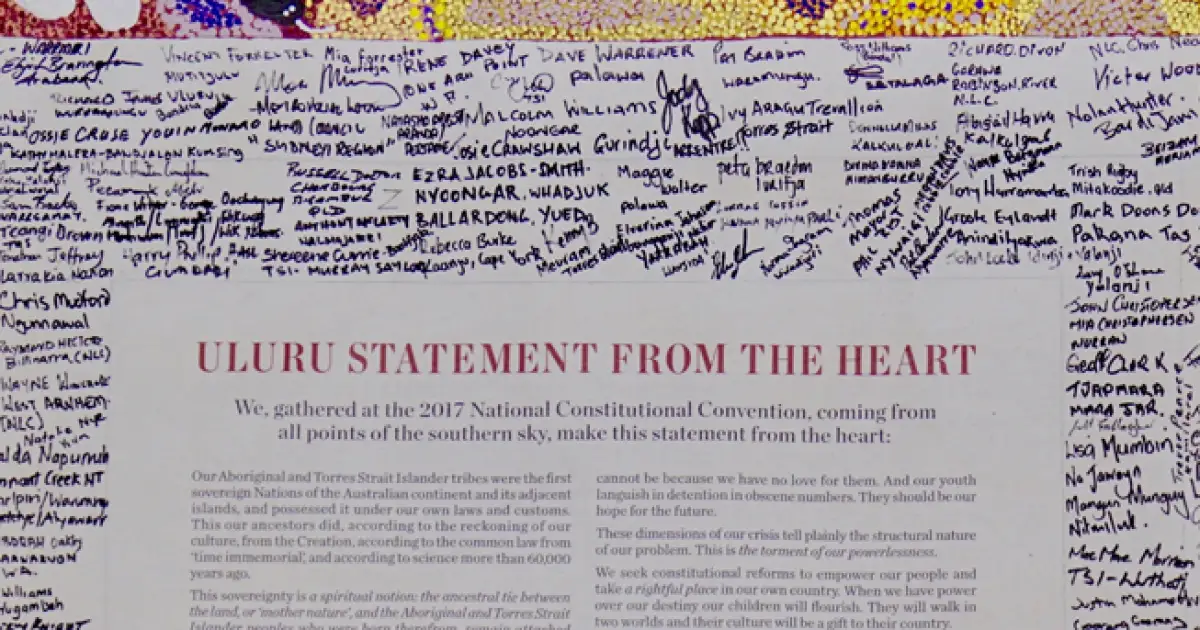
Indigenous history timelines trace the depth and continuity of Aboriginal and Torres Strait Islander cultures across tens of thousands of years. They show how communities have lived with Country through changing climates, shifting landscapes and long cycles of ecological renewal. These timelines are not simply lists of dates. They reflect cultural memory, story, movement and the enduring relationships that connect people to land and sea.
Key periods often include the earliest known human presence on the continent, the development of regional cultures, the formation of trade routes and songlines, and the long history of land management practices such as fire stewardship. Timelines also highlight major changes brought by colonisation, including displacement, resistance, adaptation and the ongoing strength of cultural revival. Each region carries its own timeline shaped by local knowledge, ancestral stories and connections that continue today.
Indigenous history timelines offer a grounded way to understand the scale and continuity of First Nations cultures. They show how knowledge, identity and Country have been maintained across millennia, forming one of the oldest living cultural traditions in the world.