- Destinations
- Nature & Wildlife
- Culture & History
- Travel Planning
- Australian Life
- Kangaroo Jacks Gift Co.
- Aussie Kids

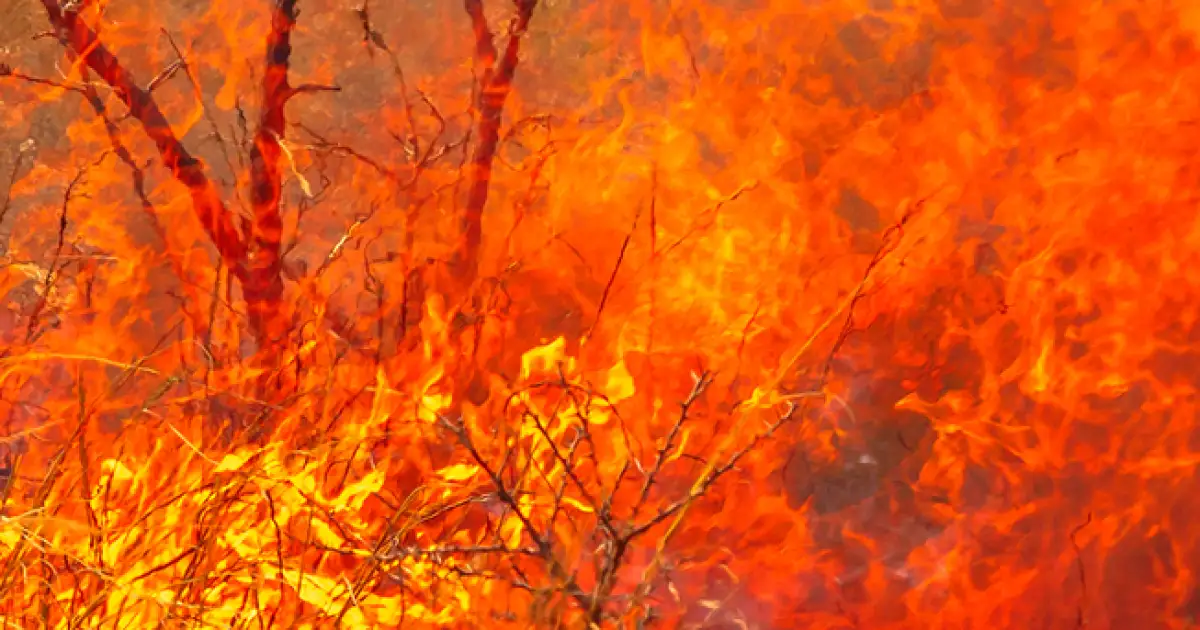
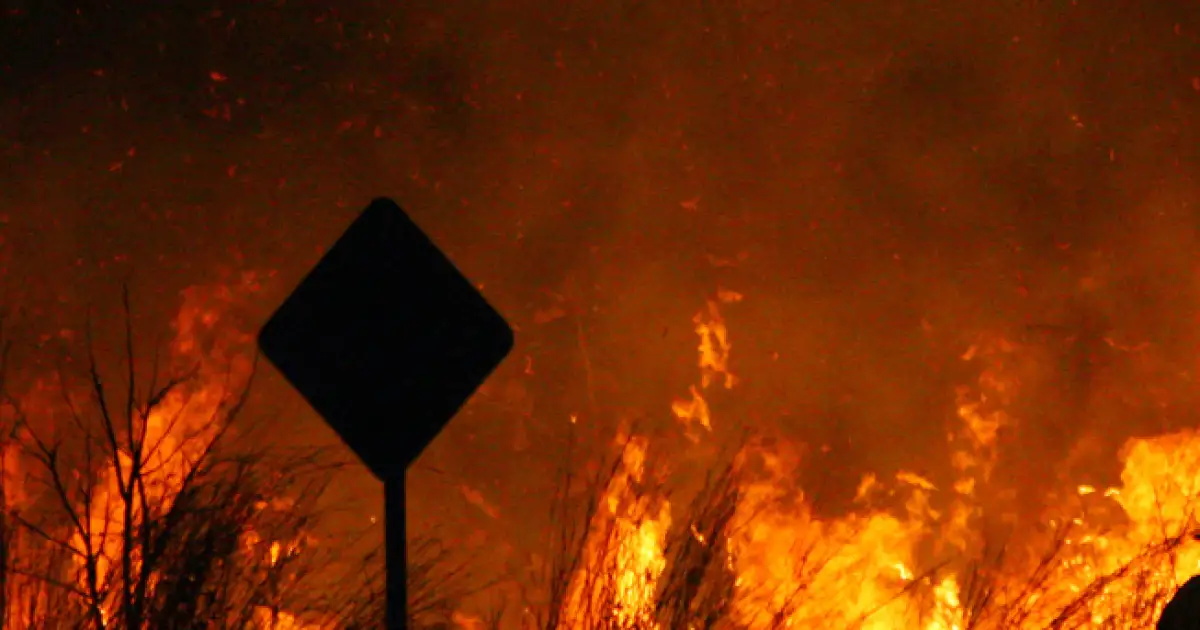
Bushfire awareness is a vital part of travelling and living in Australia, where hot, dry conditions and seasonal weather patterns can create a high risk of fire across many regions. Understanding how bushfires behave, recognising warning signs and preparing for changing conditions help keep travellers safe, especially in rural, forested and inland areas. Bushfires can move quickly, and being aware of local advice and environmental cues is an important part of exploring Australia responsibly.
During periods of high fire danger, travellers should stay informed through local alerts, weather forecasts and emergency services. Hot, windy days increase risk, and smoke or haze can indicate nearby fire activity. Planning ahead is essential: knowing evacuation routes, avoiding travel through fire-prone areas, carrying water and ensuring vehicles are in good condition all help reduce risk. Many national parks and reserves close during extreme conditions, and respecting these closures is an important part of safety.
Aboriginal knowledge provides deep insight into fire behaviour and seasonal patterns. Many communities have long traditions of cultural burning, using cool, controlled fires to manage Country, reduce fuel loads and support healthy ecosystems. Seasonal calendars, such as those recognised by Noongar, Yolnu and other First Nations groups, identify periods of increased heat, dry winds, flowering plants and animal movements that signal higher fire risk. These cues help guide safe travel, land management and community awareness, reflecting thousands of years of observation and connection to Country.
Combining practical preparation with cultural knowledge helps travellers understand how bushfires develop and how to stay safe. Awareness of conditions, respect for Country and careful planning make bushfire awareness an essential part of exploring Australia’s landscapes.