- Destinations
- Nature & Wildlife
- Culture & History
- Travel Planning
- Australian Life
- Kangaroo Jacks Gift Co.
- Aussie Kids

The Gascoyne stretches across the northwest of Western Australia with a character that feels both gentle and quietly powerful. Sunlight falls across red plains, wide coastal flats and long stretches of ocean, creating a region that seems to glow with its own warmth. Visitors often sense a calmness here, as if the land is inviting them to slow down and discover its stories one by one.
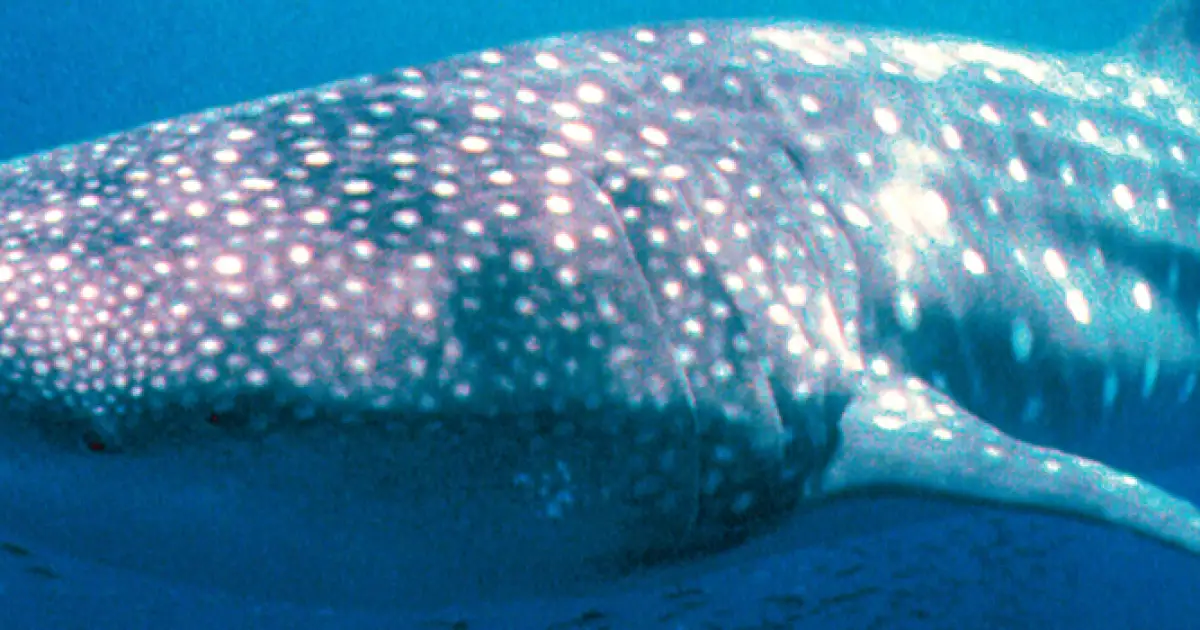
With about six hundred kilometres of Indian Ocean coastline, the Gascoyne is a region defined by water as much as by desert. Ningaloo Reef lies close to shore, offering clear lagoons, coral gardens and encounters with marine life. Shark Bay, a World Heritage Site, reveals seagrass meadows, sheltered bays and ancient stromatolites. The coastline feels open and bright, yet full of quiet surprises.
The Gascoyne has the smallest population of any region in Western Australia, with most residents living in Carnarvon. Other centres include Exmouth, Denham, Gascoyne Junction and Coral Bay. Distances are long, but each town carries its own sense of place shaped by climate, culture and connection to land and sea.
Warm weather is a constant companion in the Gascoyne. The region enjoys about three hundred and twenty days of sunshine each year, with temperatures ranging from mild winter days to hot summer afternoons. Rainfall is low and often arrives with cyclonic systems, bringing sudden bursts of water to a mostly dry landscape. Spinifex, mulga and low scrub stretch across much of the inland, giving the region its distinctive colours and textures.
Horticulture thrives along the Gascoyne River, where growers produce bananas, tomatoes, mangoes, table grapes and other crops that reach markets across Australia. Fishing is another major industry, with prawns, scallops, crabs and wet line species harvested from coastal waters. Salt and gypsum are mined at Lake MacLeod, while tourism continues to grow thanks to the region’s climate, natural attractions and relaxed pace.
First Nation peoples have lived in the Gascoyne for thousands of years, with deep cultural ties to land, sea and sky. European contact began in the early 1600s with Dutch explorers, followed by visits from navigators and naturalists. Pastoral settlement grew through the nineteenth century, and Carnarvon was gazetted in 1883. The region’s history is layered, shaped by exploration, industry and the enduring presence of its Traditional Owners.
The Gascoyne rewards travellers who take their time. A quiet beach at sunrise, a reef glowing beneath clear water, a long inland road that seems to stretch into the horizon, all add to the sense of gentle mystery that defines the region. It is a place that feels open and welcoming, yet still holds stories waiting to be uncovered.