Reptiles are an essential part of Australia’s natural identity. Found in deserts, forests, grasslands, wetlands and coastal regions, they have adapted to some of the most challenging environments on the continent. Their diversity, resilience and ancient lineage make them a fascinating group to explore within Australia’s wildlife story.
What is a reptile
Reptiles are vertebrate animals that rely on external heat sources to regulate their body temperature. They have scales, lay eggs or give birth to live young depending on the species, and are well suited to dry and warm conditions. Australia’s reptiles include snakes, lizards, turtles and crocodiles, each with unique behaviours and adaptations that help them survive in varied landscapes.
Many reptiles are active during warmer parts of the day, basking in sunlight to warm their bodies before hunting or exploring. Others remain hidden under rocks, logs or leaf litter, emerging only when conditions are right. Their ability to conserve water and tolerate heat allows them to thrive where many other animals cannot.
Reptiles in the Australian landscape
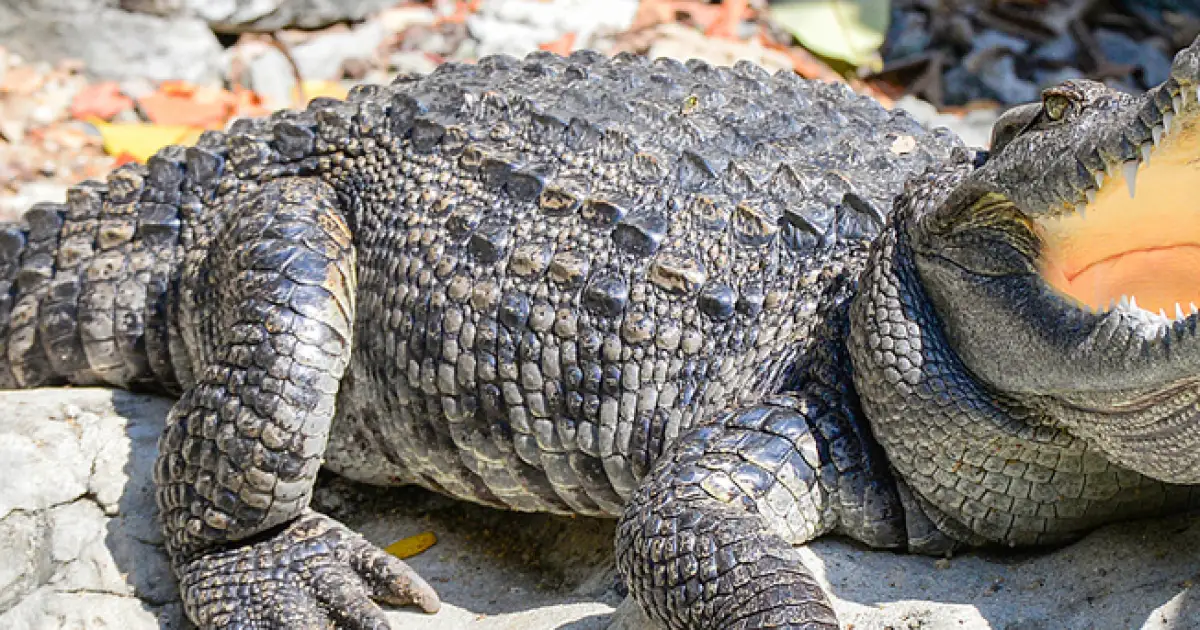
Australia is home to one of the world’s richest reptile faunas. From the large perentie roaming inland ranges to the tiny geckos clinging to tree trunks, reptiles occupy almost every habitat. Snakes play an important role in controlling rodent populations, while lizards help manage insects and contribute to seed dispersal. Freshwater turtles inhabit rivers and billabongs, and crocodiles dominate northern waterways.
Reptiles are often seen as symbols of Australia’s rugged environment. The frill-necked lizard, blue-tongue skink and bearded dragon are familiar to many Australians, while species such as the thorny devil highlight the remarkable adaptations found in arid regions. Their presence adds character to the landscape and offers endless opportunities for observation.
Threats and conservation
Although many reptiles are resilient, they face pressures from habitat loss, land clearing, introduced predators, road impacts and climate change. Wetland degradation affects turtles, while altered fire regimes influence the survival of many lizard and snake species. Conservation work focuses on protecting habitats, monitoring populations and raising awareness of the ecological importance of reptiles.