- Destinations
- Nature & Wildlife
- Culture & History
- Travel Planning
- Australian Life
- Kangaroo Jacks Gift Co.
- Aussie Kids


- 37 women were killed by a current or former intimate partner in 2024
- Nearly one in 3 female victims of intimate partner homicide in 2024 identified as First Nations
- Women are 30-45% more likely to experience high financial stress if they had experienced sexual violence than women of the same age who hadn't experienced violence
- One in 2 women and one in 4 men working in retail have experienced sexual harassment, with young women under the age of 25 most likely to be targeted
- Women are more likely to use health care services than men and are more likely to face higher healthcare costs over time
- 4 in 5 Australian women aged 18-44 years have experienced chronic menstrual symptoms in the last 5 years and almost half have missed days of work or study as a result
- One in 4 women aged 45-64 years report that symptoms attributed to menopause make it hard to do daily activities
- The leading causes of loss of healthy life for women are dementia, anxiety disorders, and back pain. For men, they are coronary heart disease, back pain, and suicid
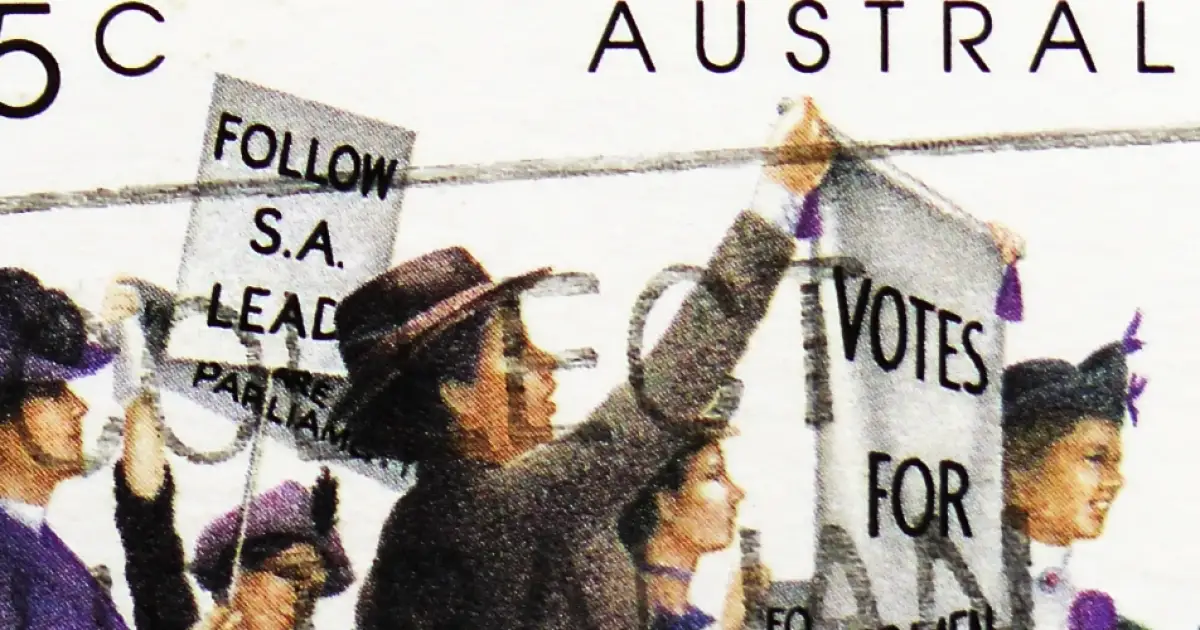
Women in Australia have played a pivotal role in shaping the nation's history, culture, and progress. From the early days of colonial settlement, where women like Elizabeth Macarthur contributed to the establishment of the merino wool industry, to the suffragette movement that saw Australia become a global leader in women's voting rights, their impact has been profound. In 1895, South Australia became the first place in the world to grant women both the right to vote and stand for parliament, setting a precedent for gender equality in governance.
Throughout the 20th century, Australian women continued to break barriers, contributing significantly during wartime through organizations like the Australian Women's Land Army and advocating for workplace rights. The introduction of the Sex Discrimination Act in 1984 marked a significant step toward addressing gender inequality, prohibiting discrimination based on sex in various aspects of public life. Today, women in Australia are active in all spheres, from politics and business to education and the arts, continuing to challenge societal norms and advocate for equality.
Despite progress, challenges like the gender pay gap and underrepresentation in leadership roles highlight the ongoing journey toward true gender parity.