- Destinations
- Nature & Wildlife
- Culture & History
- Travel Planning
- Australian Life
- Kangaroo Jacks Gift Co.
- Aussie Kids


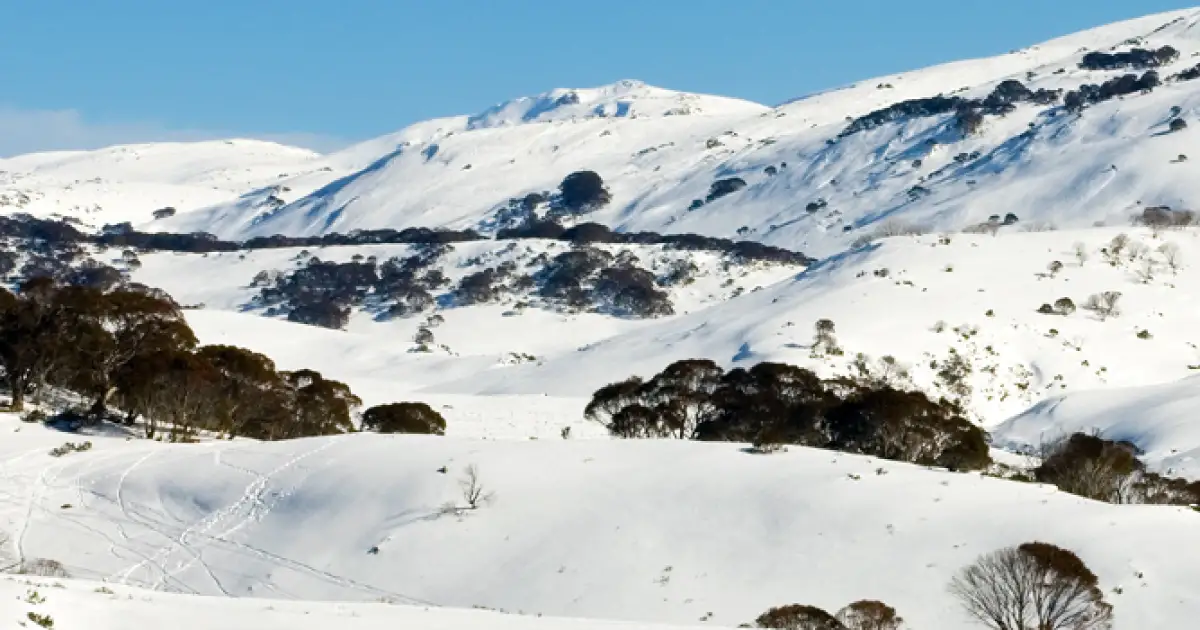
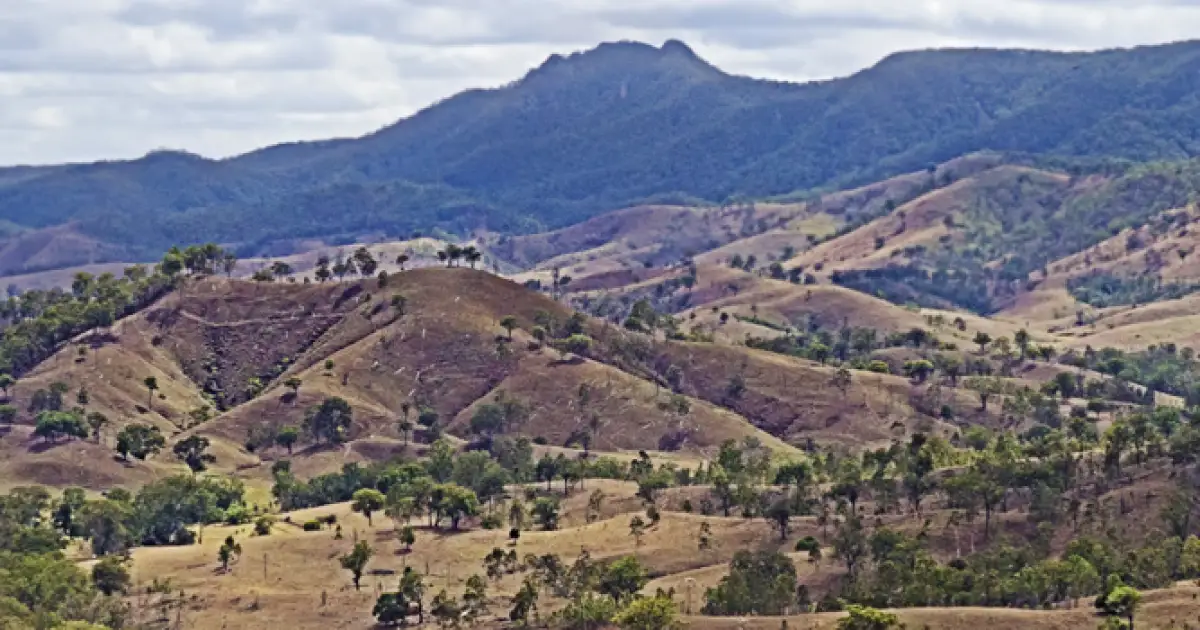
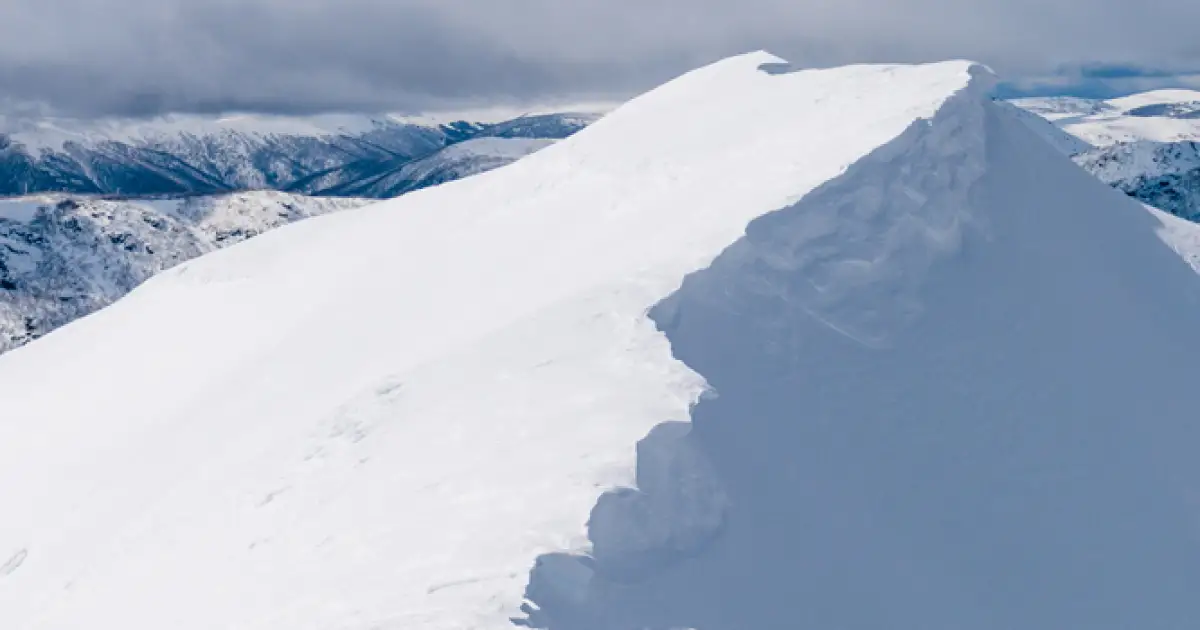
The Australian Alps in winter receive about 1 meter of snow per year. The Granite Belt and higher ranges near the NSW border are the only regions of Queensland which regularly see snow - a light dusting each year or two.

Australia’s alpine regions form some of the most distinctive environments on the continent, shaped by cold winters, short growing seasons and rugged mountain landscapes. Found mainly in the south-east, these high country areas support plants and animals that have adapted to frost, snow cover and strong winds. Despite their relatively small size, alpine ecosystems play an important role in water catchments and the broader health of surrounding landscapes.
Alpine environments include snow gum woodlands, heathlands, grasslands and specialised communities that grow above the treeline. Species here often have compact forms, protective hairs or deep root systems that help them survive harsh conditions. These regions also provide habitat for animals such as mountain pygmy possums, alpine skinks and a range of birds that rely on seasonal food and shelter. Snowmelt from alpine areas feeds major rivers, supporting ecosystems far beyond the mountains themselves.
Here we will explore Australia’s alpine regions, highlighting their ecological significance, the species that depend on them and the ways these landscapes respond to climate and environmental change. Together these stories offer a grounded view of the high country environments that shape Australia’s mountainous identity.