- Destinations
- Nature & Wildlife
- Culture & History
- Travel Planning
- Australian Life
- Kangaroo Jacks Gift Co.
- Aussie Kids

Outback safety is essential for anyone travelling through Australia’s remote inland regions, where long distances, extreme temperatures and limited services shape the experience. The Outback offers striking landscapes and a strong sense of isolation, but it also requires careful planning and an understanding of local conditions. Travelling with preparation, awareness and respect for Country helps ensure a safe and enjoyable journey.
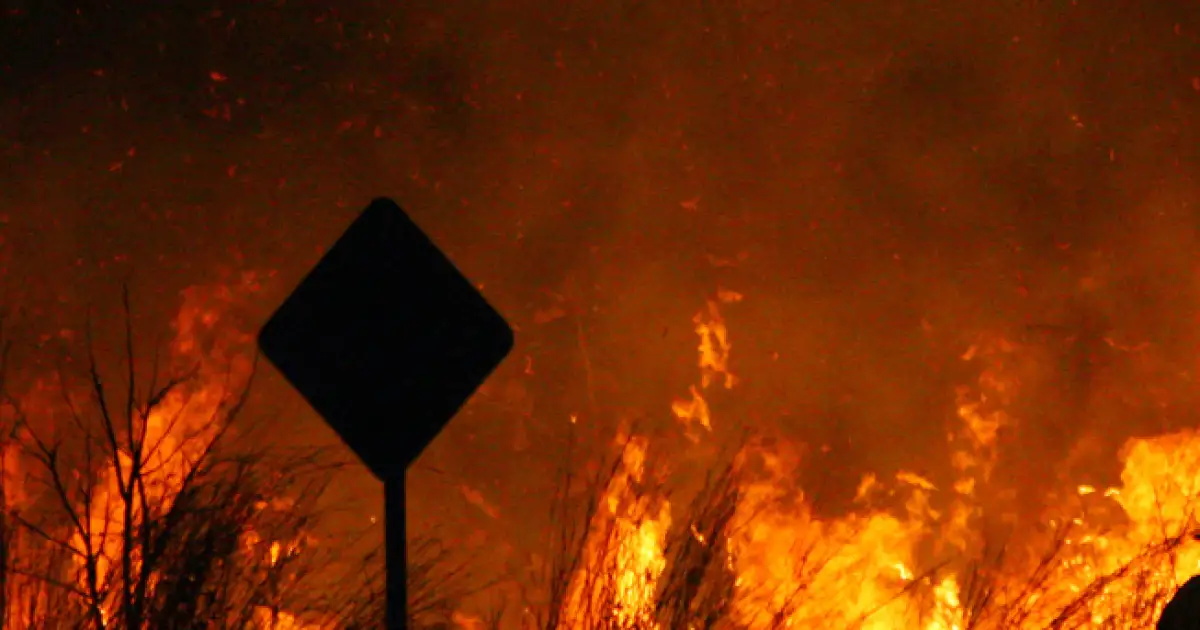
The Outback’s climate can shift quickly, with very hot days, cold nights and sudden storms in some regions. Travellers should carry plenty of water, food, navigation tools and spare vehicle supplies, and always check road conditions before setting out. Mobile coverage is limited, so satellite communication or emergency beacons are recommended for remote routes. Wildlife on roads at dawn and dusk, long stretches without fuel and the risk of breakdowns make planning essential. Letting someone know your travel plans and expected arrival times is a key part of Outback safety.
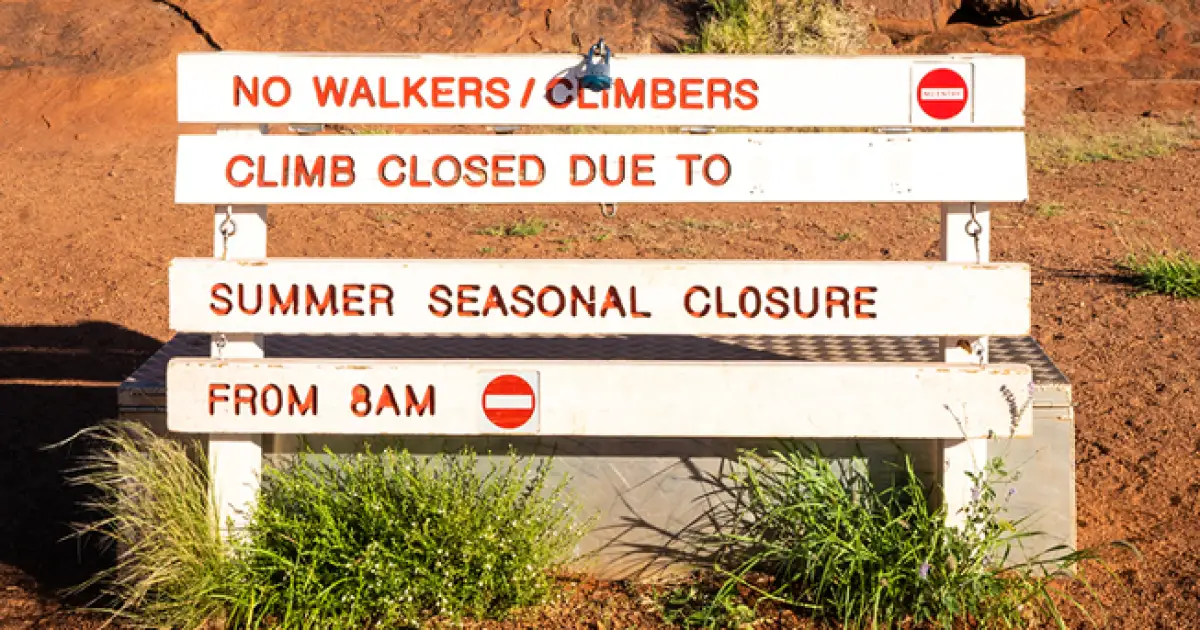
Aboriginal knowledge offers valuable guidance for travelling safely through remote areas. Many communities read Country through signs such as cloud patterns, wind shifts, animal behaviour and seasonal changes. These cues help identify approaching storms, fire risk, water availability and safe travel periods. In regions such as the desert heart and the tropical north, Aboriginal seasonal calendars highlight when certain plants flower, when animals move and when weather patterns shift, providing insight into how the land changes throughout the year. Respecting cultural sites, seeking local advice and travelling with awareness align closely with traditional approaches to safety.
With preparation, local knowledge and a careful approach, Outback travel can be both safe and deeply rewarding. Understanding the environment, planning ahead and respecting Country help travellers enjoy the vast landscapes and unique character of Australia’s remote regions.