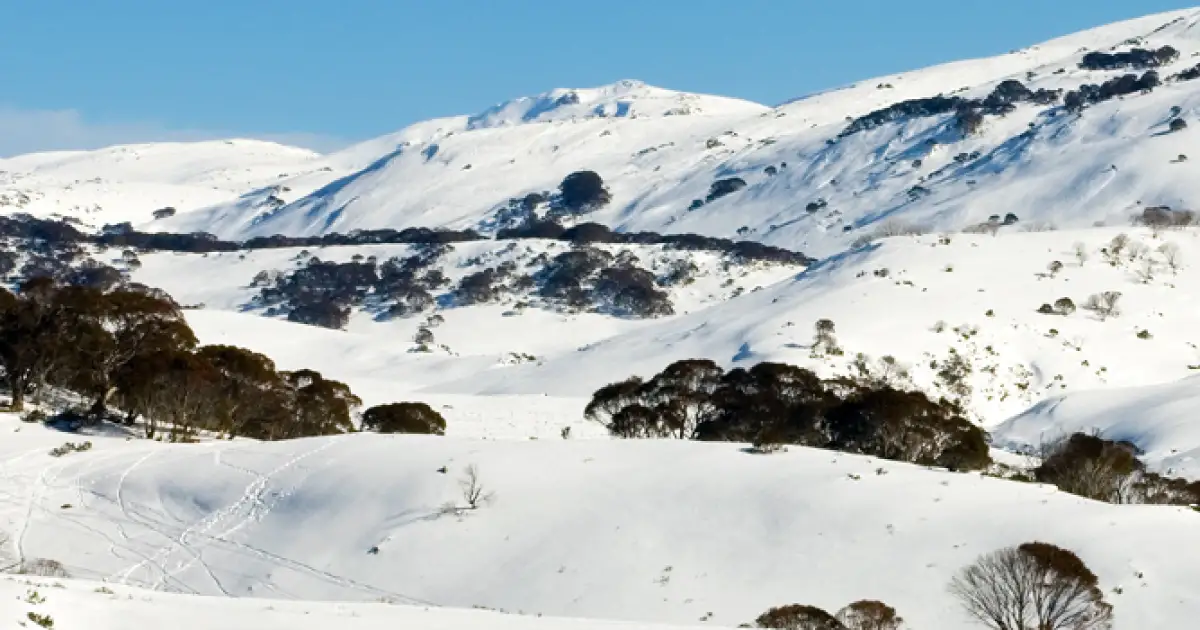
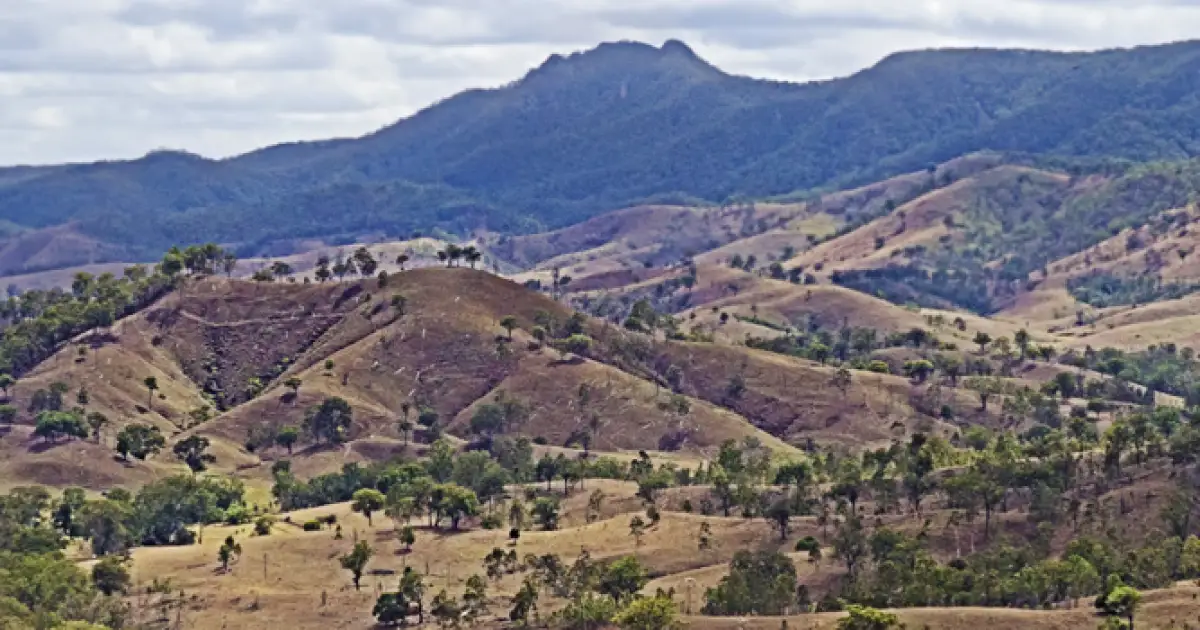
Australia’s grasslands stretch across inland plains, volcanic plateaus and coastal fringes, forming ecosystems shaped by open skies, seasonal rainfall and long periods of drought. These landscapes may appear simple at first glance, yet they support a diverse mix of grasses, herbs and small shrubs that have adapted to fire, grazing and nutrient poor soils over deep time.
Grassland environments vary widely across the continent, from temperate tussock fields to tropical savannas and semi arid plains dominated by hardy species such as kangaroo grass, wallaby grass and spinifex. These plants create structure for insects, reptiles, birds and small mammals, and play an important role in soil stability, water infiltration and the movement of wildlife across open country.
This section explores the diversity of Australia’s grasslands, highlighting how they function, how species adapt to shifting conditions and how these ecosystems continue to evolve in response to climate and land use. Together these stories offer a grounded view of the ecological systems that define Australia’s open landscapes.