- Destinations
- Nature & Wildlife
- Culture & History
- Travel Planning
- Australian Life
- Kangaroo Jacks Gift Co.
- Aussie Kids


Wildlife safety is an important part of travelling and exploring Australia, where diverse animals live across coastal regions, forests, deserts, wetlands and the Outback. Most wildlife encounters are safe and memorable, but understanding animal behaviour and respecting natural environments helps prevent accidents. Australia’s landscapes support everything from large kangaroos and emus to snakes, marine stingers, crocodiles and a wide range of birdlife, so awareness and preparation make a big difference when spending time outdoors.
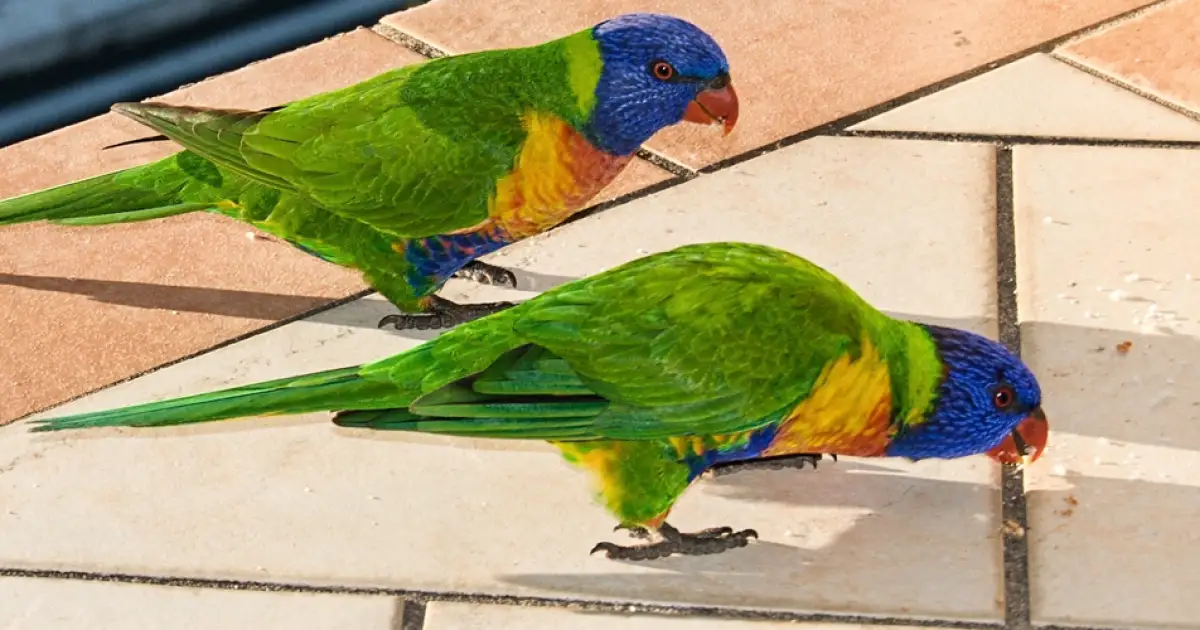
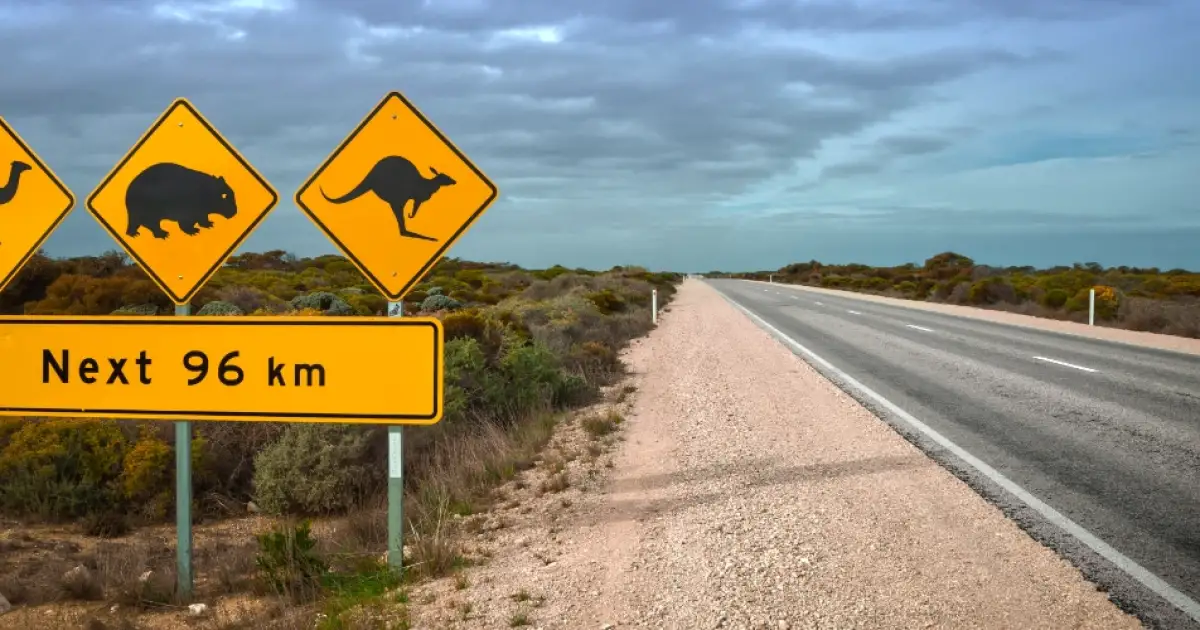
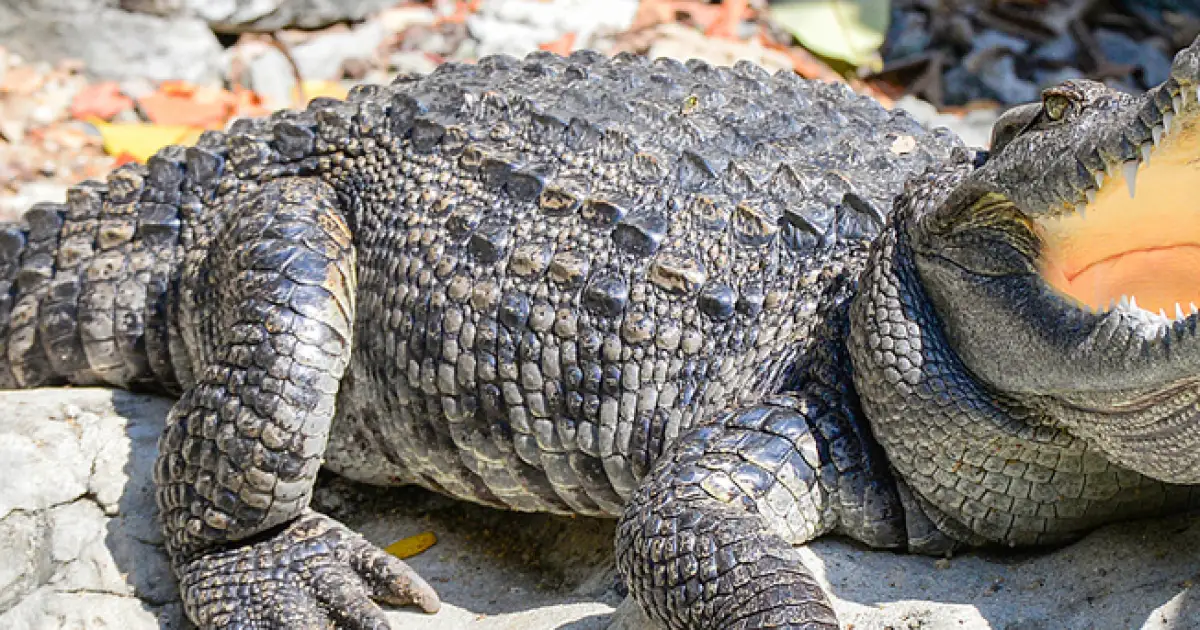
In bushland and inland areas, travellers should stay alert for snakes, avoid tall grass and watch where they step or place their hands. Kangaroos and emus can move unpredictably, especially near roads at dawn and dusk, so slowing down and staying aware is essential. Coastal regions call for caution around rips, marine stingers and, in northern Australia, crocodile-inhabited waters. Simple steps such as wearing protective footwear, keeping a safe distance from animals and following local signage help reduce risks. Feeding wildlife is discouraged, as it can change natural behaviour and create unsafe situations for both animals and people.
Aboriginal knowledge offers deep insight into wildlife behaviour and seasonal patterns. Many communities observe signs in Country such as flowering plants, animal movements and changes in wind or humidity to understand when certain species are active. These cues help identify safe travel periods, breeding seasons, migration times and areas where animals may be more protective or sensitive. Respecting cultural guidance, listening to local advice and travelling with awareness align closely with traditional approaches to staying safe around wildlife.
With a careful approach and respect for the environment, wildlife encounters can be one of the most rewarding parts of exploring Australia. Understanding animal behaviour, following local guidance and recognising seasonal cues help travellers enjoy the country’s natural environments safely and responsibly.