- Destinations
- Nature & Wildlife
- Culture & History
- Travel Planning
- Australian Life
- Kangaroo Jacks Gift Co.
- Aussie Kids


Australia’s animals are central to the country’s natural identity. Shaped by millions of years of isolation, the continent supports a remarkable range of species found nowhere else. From deserts and rainforests to alpine regions, wetlands and coastal environments, Australian animals have adapted to diverse and often challenging landscapes. Their behaviours, life cycles and ecological roles form an important part of Australia’s environmental story.
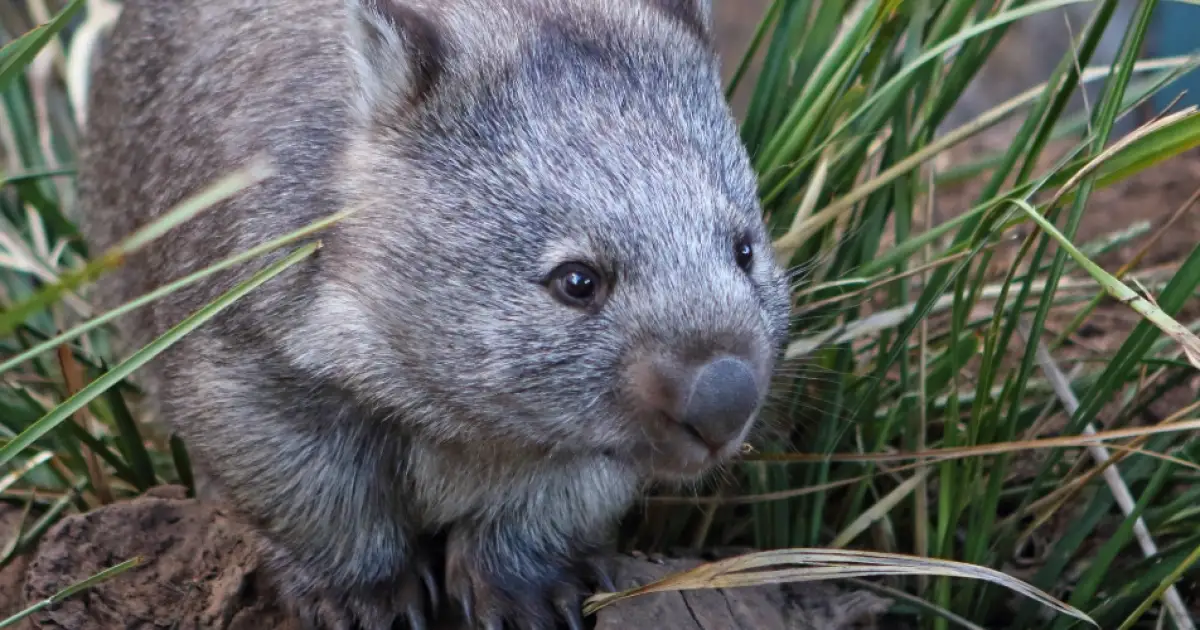
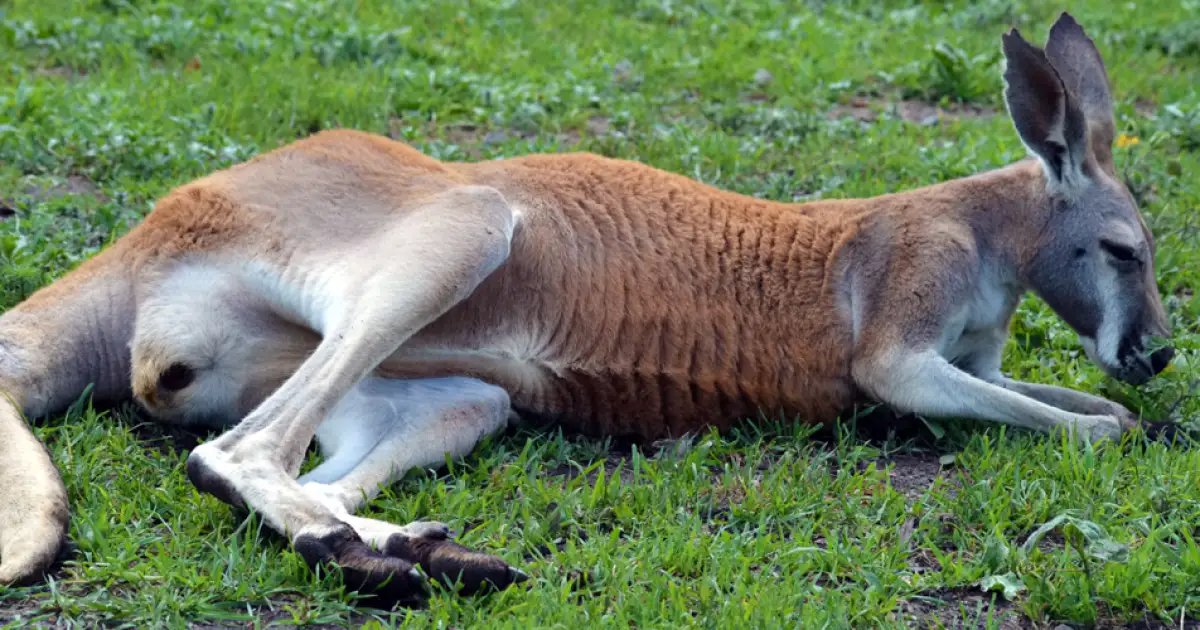
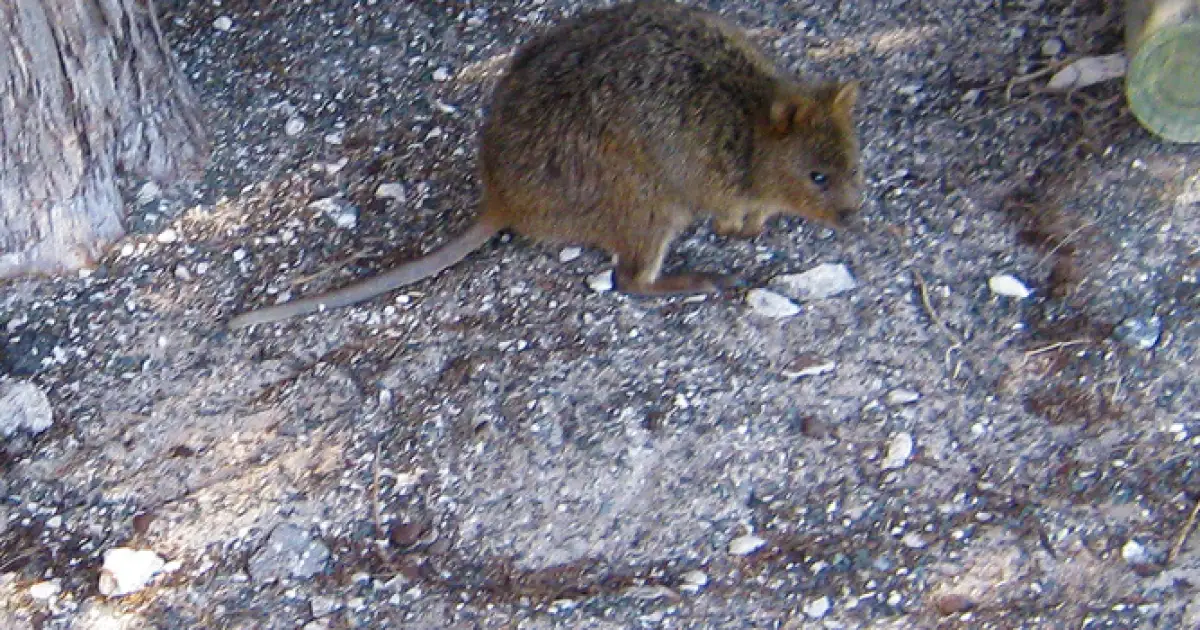
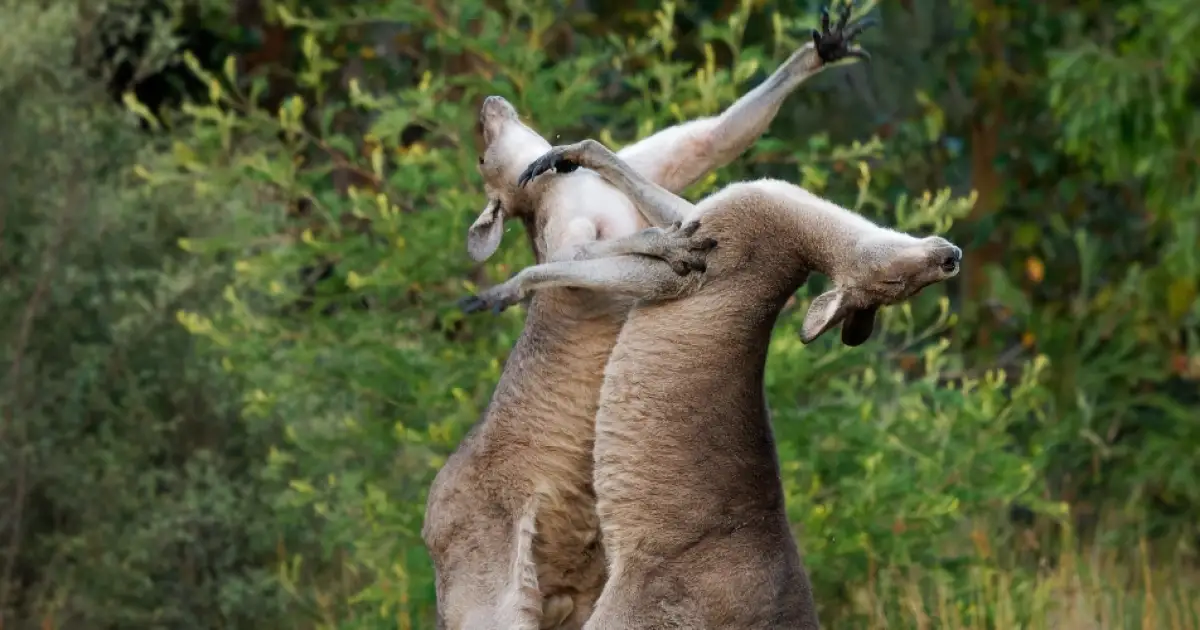
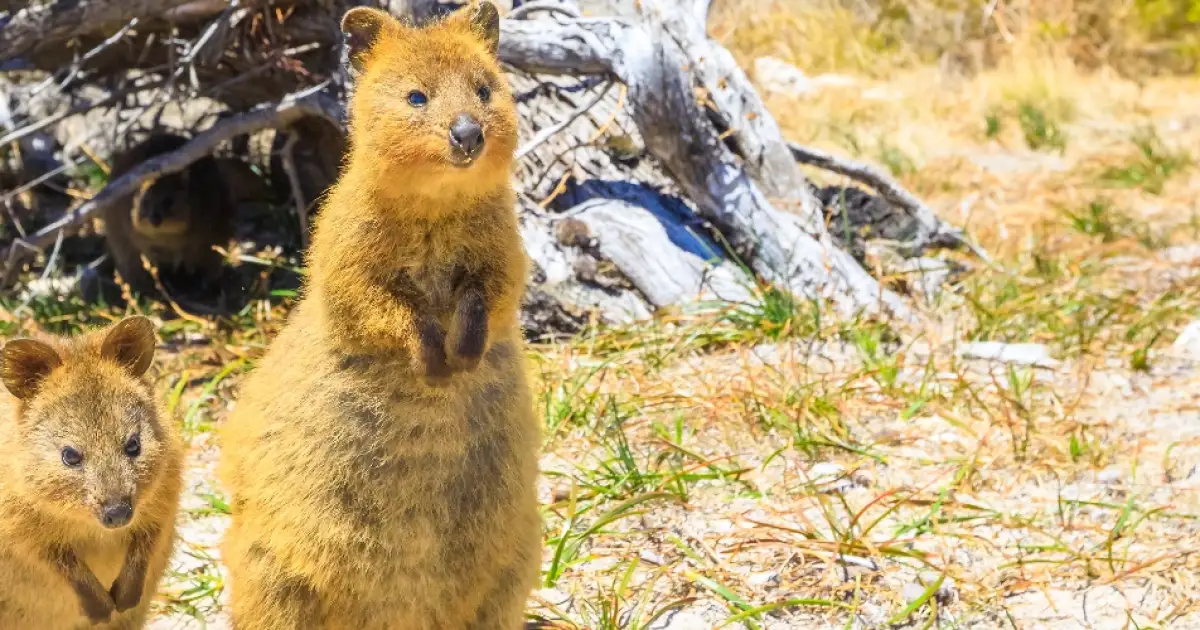
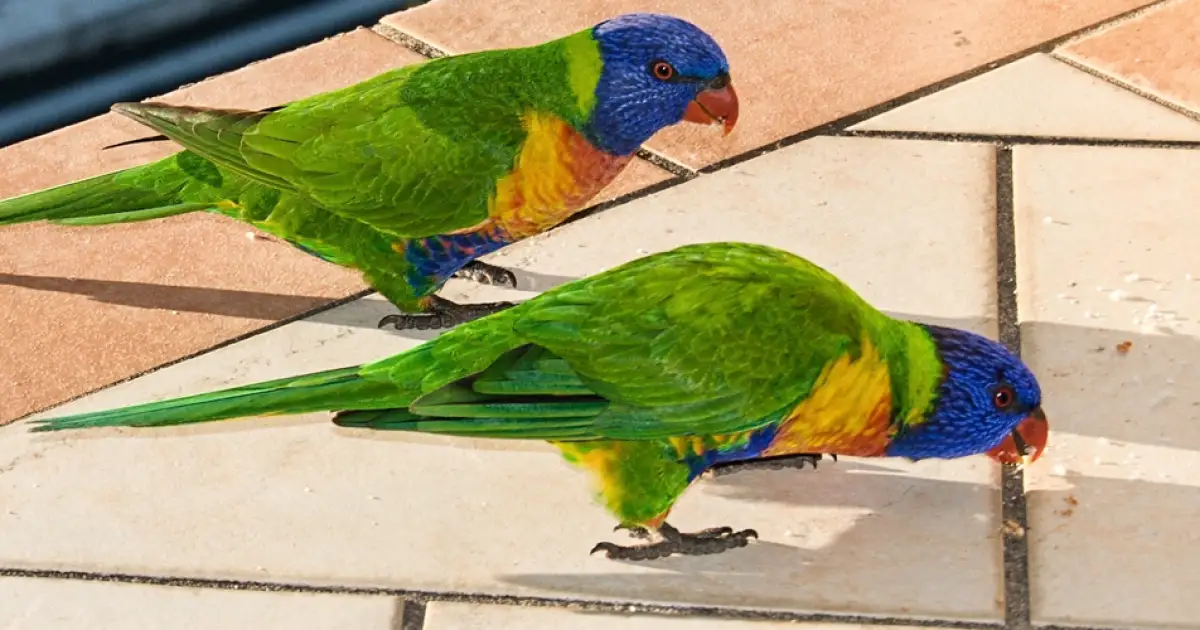
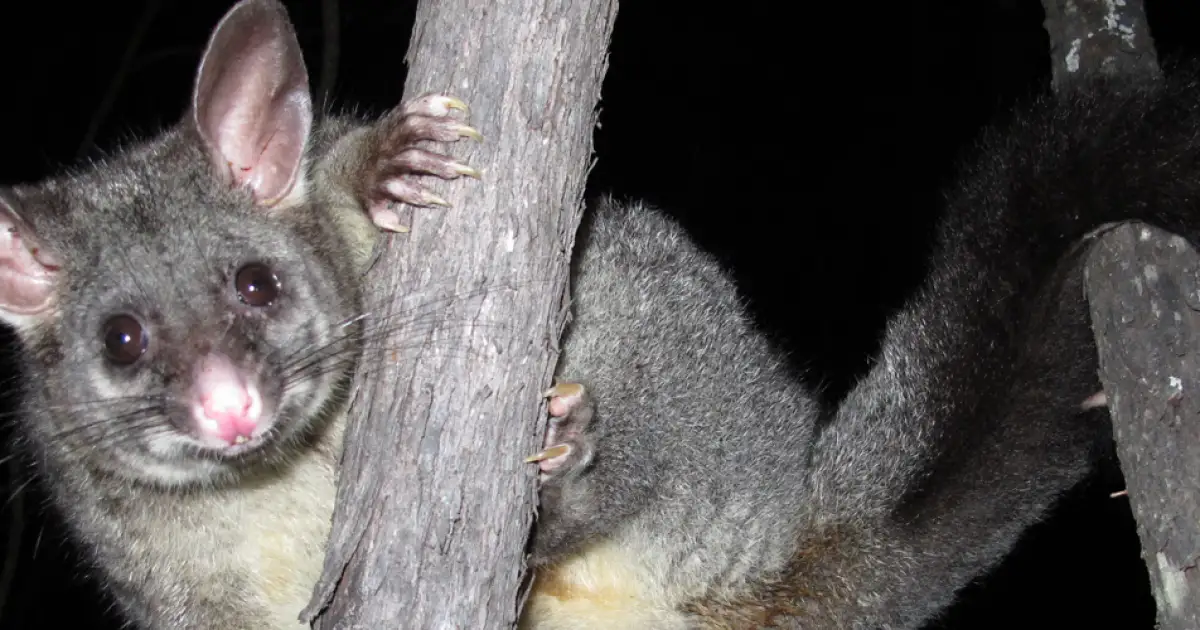
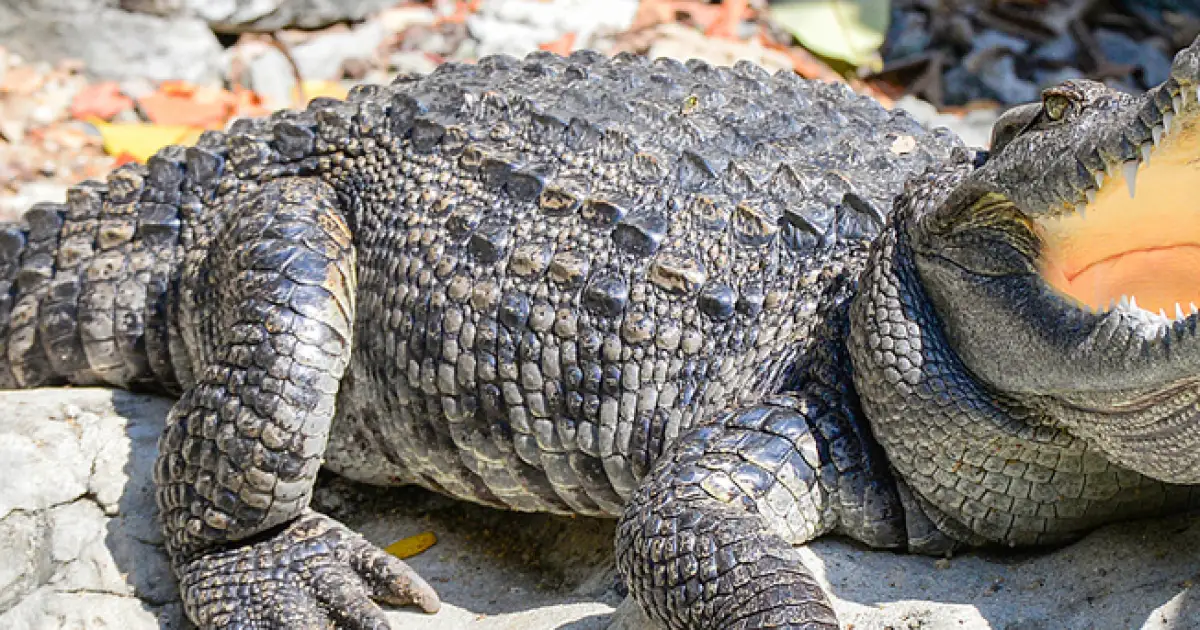
Australia is home to an extraordinary mix of wildlife. Marsupials such as kangaroos, wallabies, koalas and wombats are well known, while monotremes like the platypus and echidna represent some of the world’s most ancient mammals. Reptiles thrive in many regions, including dragons, geckos, snakes and turtles. Birds occupy every habitat, from parrots and honeyeaters to emus and seabirds. Amphibians, insects and marine life add further layers of diversity, each contributing to the balance of ecosystems across the country.
Many species have evolved unique adaptations. Some survive in arid inland areas with limited water, while others rely on dense forests, coastal wetlands or offshore reefs. These adaptations highlight the resilience and ingenuity of Australia’s wildlife.
Australian animals play essential roles in maintaining healthy ecosystems. Herbivores influence vegetation patterns and seed dispersal. Carnivores help regulate prey populations. Insects support pollination and nutrient cycling, while reptiles and amphibians contribute to pest control and ecological balance. Marine species shape coastal and ocean environments, connecting land and sea through complex food webs.
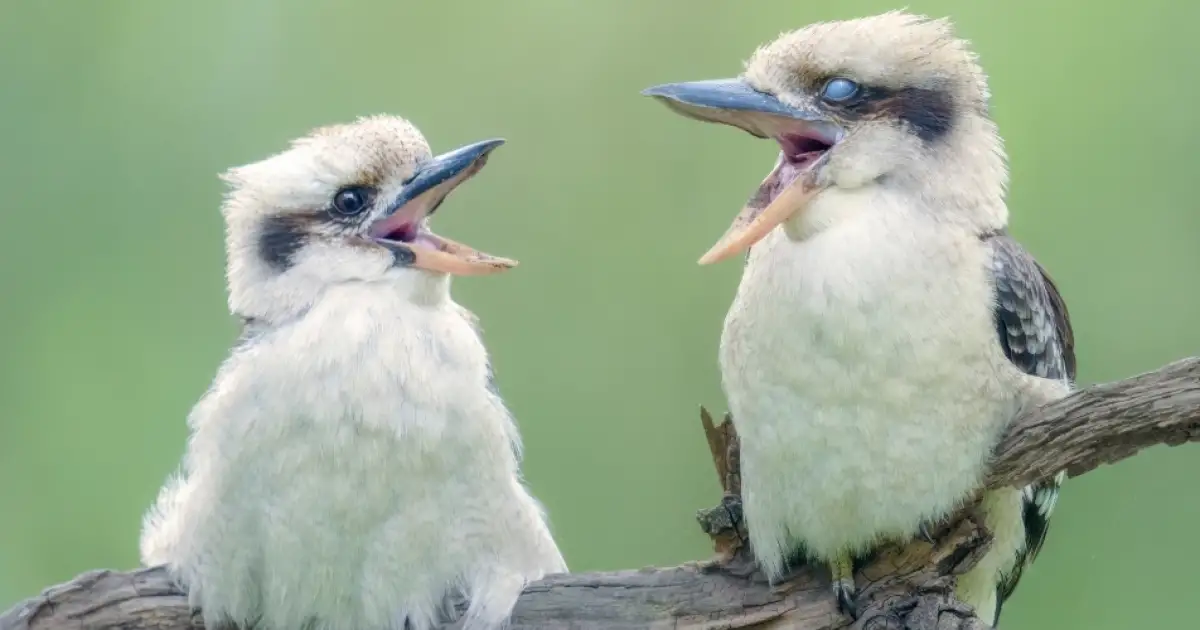
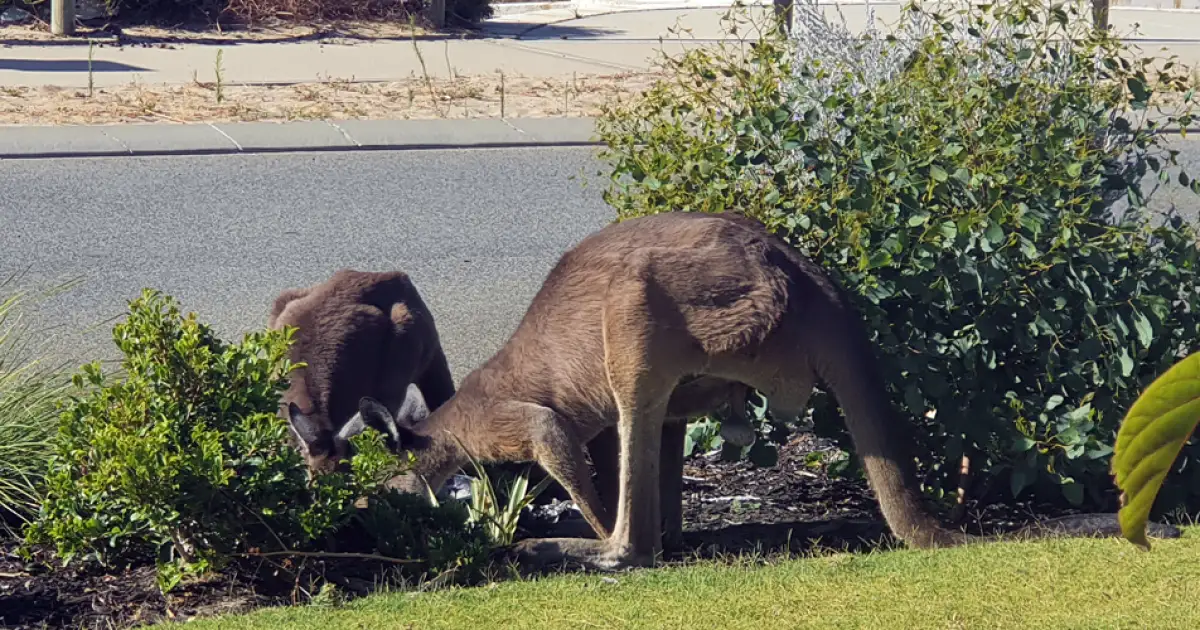
Wildlife is also part of everyday Australian life. Kangaroos graze across open plains, kookaburras call from gum trees, lizards warm themselves on rocks and dolphins travel along coastal waters. These encounters reflect the close relationship between people and the natural world.
Despite their diversity, many Australian animals face pressures from habitat loss, land clearing, climate change, introduced predators and altered fire regimes. Some species have declined significantly, while others remain stable or resilient. Conservation work focuses on protecting habitats, restoring ecosystems, managing threats and supporting community involvement through monitoring and citizen science.