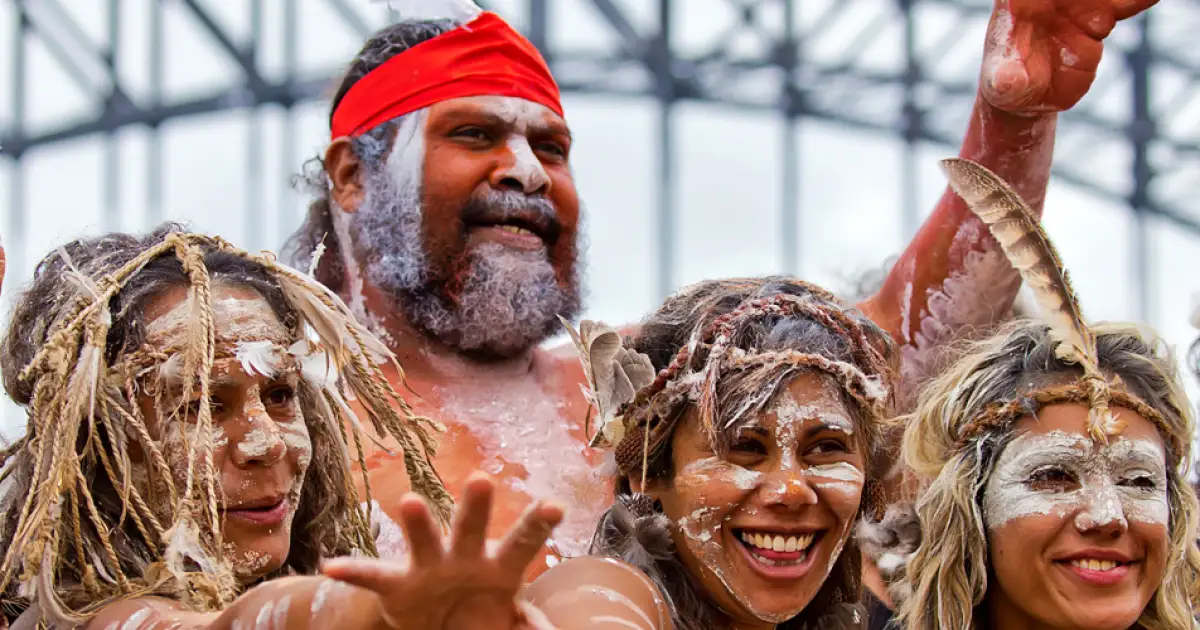
Migration has shaped Australia’s social, cultural and economic landscape for more than two centuries. Waves of people arrived from many parts of the world, each bringing languages, traditions, skills and stories that contributed to the development of the colonies and later the nation. This movement sits alongside the deep cultural foundations of Aboriginal and Torres Strait Islander peoples, forming a layered history of connection, change and community building.
Early migration included convicts, free settlers and labourers who helped establish towns, industries and trade routes. Later periods saw large numbers of migrants from Europe, Asia and the Pacific, drawn by opportunities in agriculture, mining, manufacturing and post-war reconstruction. These arrivals influenced Australia’s cultural diversity, shaping neighbourhoods, workplaces, food traditions and social life. Migration also brought challenges, including adaptation, discrimination and the need to build new support networks in unfamiliar places.
Exploring migration highlights how people from many backgrounds have contributed to Australia’s identity. It shows how movement, resilience and cultural exchange continue to shape the nation, creating a society built on diversity, shared experience and evolving community connections.