- Destinations
- Nature & Wildlife
- Culture & History
- Travel Planning
- Australian Life
- Kangaroo Jacks Gift Co.
- Aussie Kids


The Australian fauna consists of a huge variety of animals, 46% of birds, 69% of mammals, 94% of amphibians, and 93% of reptile.
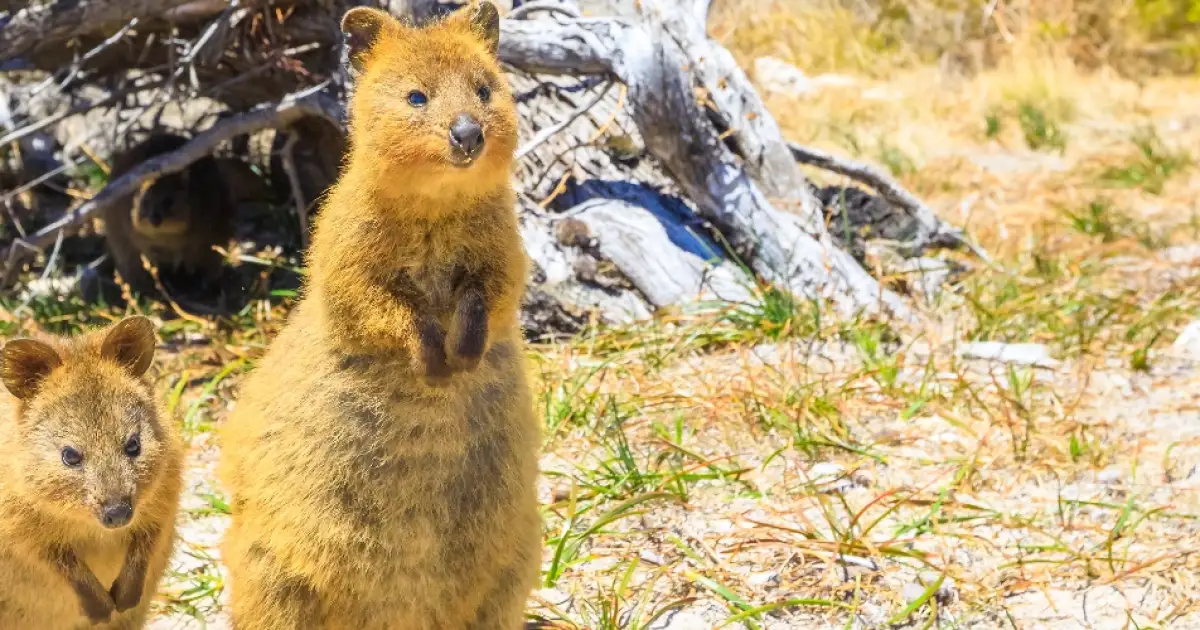
Australian mammals are a defining part of the country’s natural heritage. From the well known kangaroos and koalas to lesser known species such as quolls, bandicoots and native rodents, mammals occupy an extraordinary range of habitats across the continent. Their diversity reflects millions of years of evolution shaped by Australia’s unique climate, geology and isolation.
Mammals are warm-blooded vertebrates that typically have hair or fur and feed their young with milk. Australia is home to three main groups of mammals. Monotremes, such as the platypus and echidna, lay eggs. Marsupials, including kangaroos, wallabies, possums and wombats, carry and raise their young in pouches. Placental mammals, such as bats and native rodents, give birth to more developed young.
Each group has adapted to different environments. Some mammals thrive in arid inland regions, surviving on limited water and specialised diets. Others rely on forests, grasslands, wetlands or coastal habitats. Their behaviours, feeding strategies and life cycles reflect the varied landscapes they inhabit.
Mammals play an important role in maintaining healthy ecosystems. Herbivores influence vegetation patterns, seed dispersal and soil turnover. Carnivores help control prey populations and contribute to ecological balance. Bats support pollination and insect control, while marine mammals such as dolphins and whales are key indicators of ocean health.
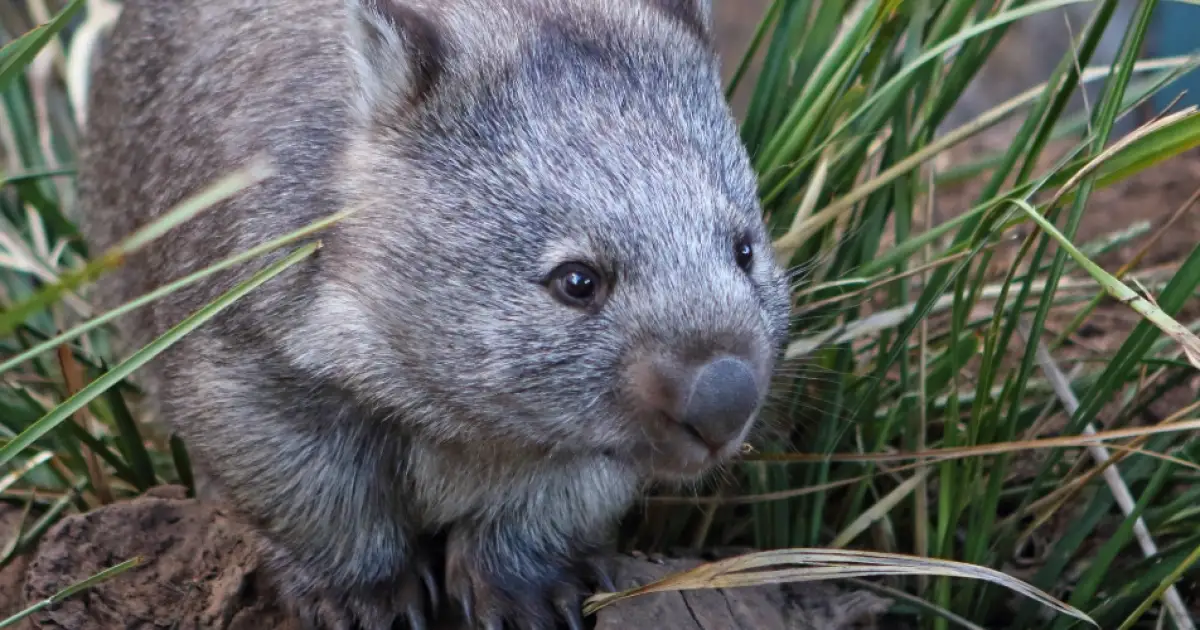
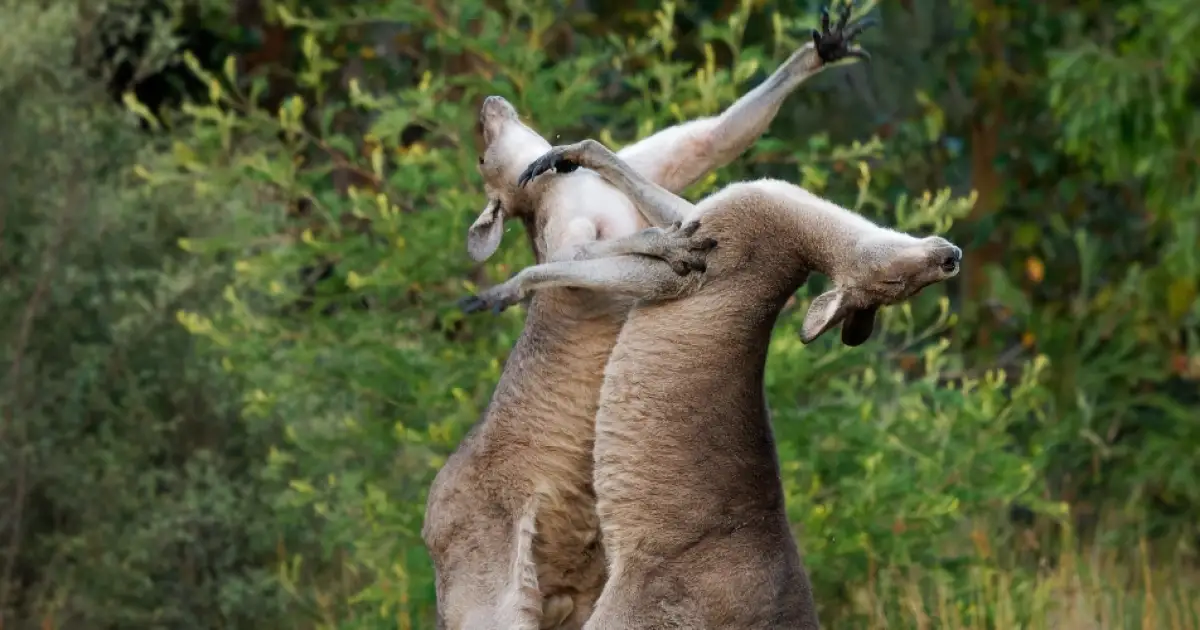
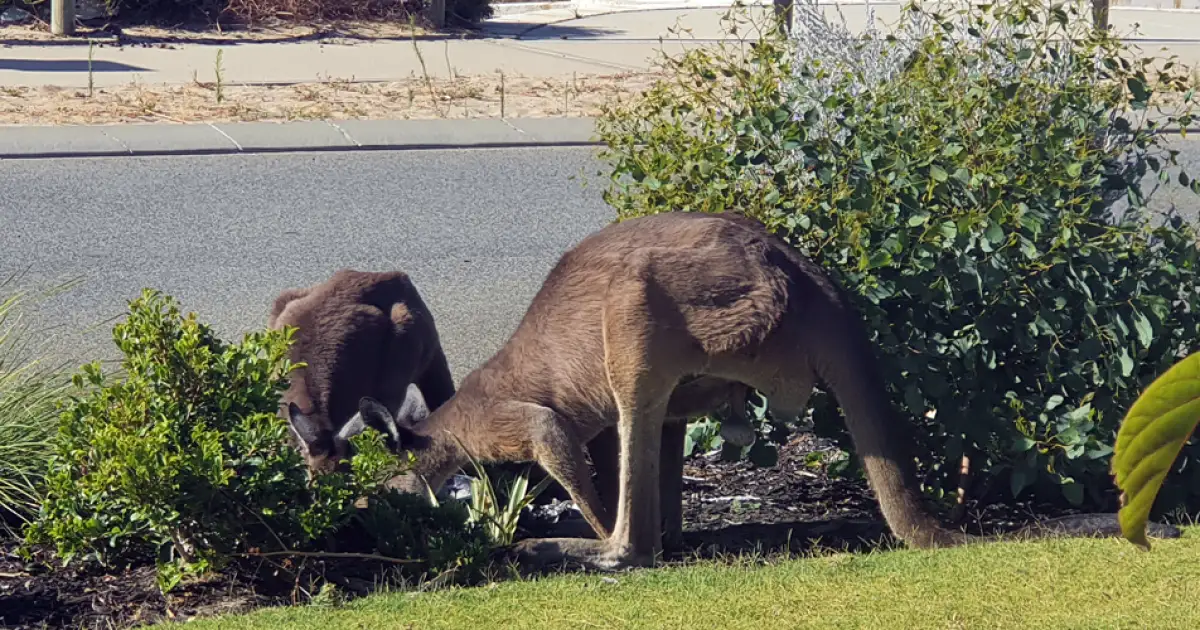
Many mammals are part of everyday Australian life. Kangaroos graze across open plains, possums visit suburban gardens at night and wombats shape burrow systems that influence soil structure. In more remote areas, travellers may encounter bilbies, rock wallabies or gliders moving through treetops. Each species adds character to the landscape and contributes to Australia’s natural identity.
Despite their resilience, many Australian mammals face pressures from habitat loss, land clearing, introduced predators, climate change and altered fire regimes. Species such as quolls, bandicoots and small marsupials have declined in many regions. Conservation efforts focus on habitat protection, predator control, ecological restoration and community involvement in monitoring and citizen science programs.