- Destinations
- Nature & Wildlife
- Culture & History
- Travel Planning
- Australian Life
- Kangaroo Jacks Gift Co.
- Aussie Kids


Seasonal guides in Australia help travellers understand how weather, landscape changes and cultural rhythms shape the best times to explore different regions. Because Australia spans tropical, desert, temperate and alpine climates, each part of the country experiences the year differently. These seasonal patterns influence travel comfort, wildlife behaviour, road conditions and the availability of outdoor activities. Alongside Western scientific seasons, many Aboriginal cultures recognise their own seasonal calendars, which reflect deep knowledge of Country and long-observed environmental cycles.
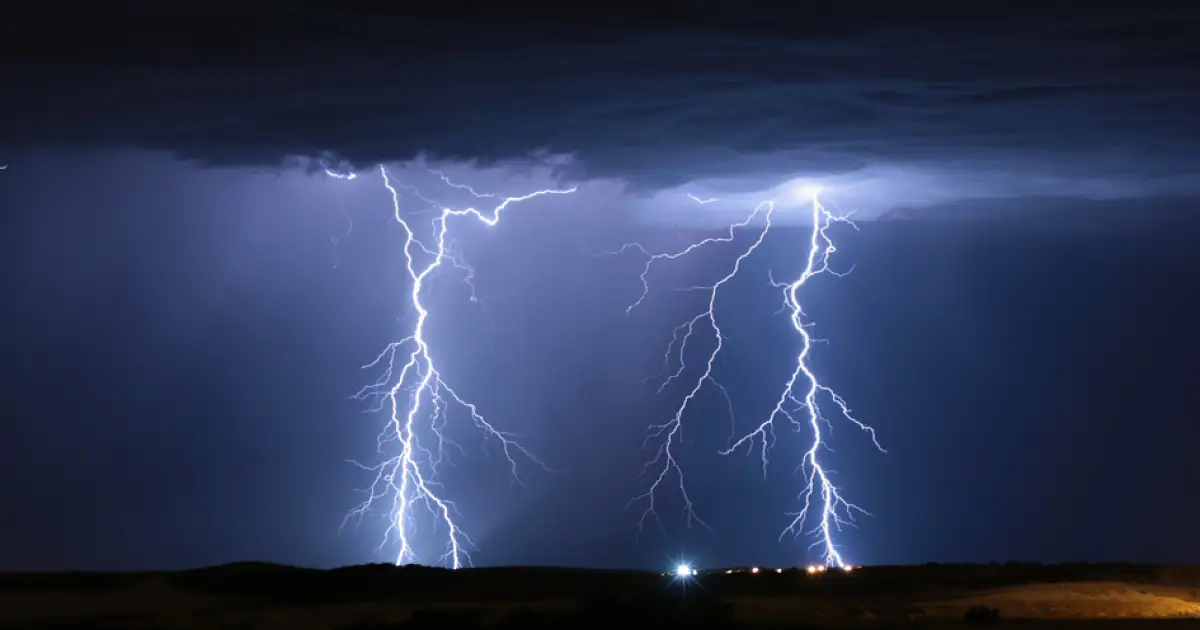
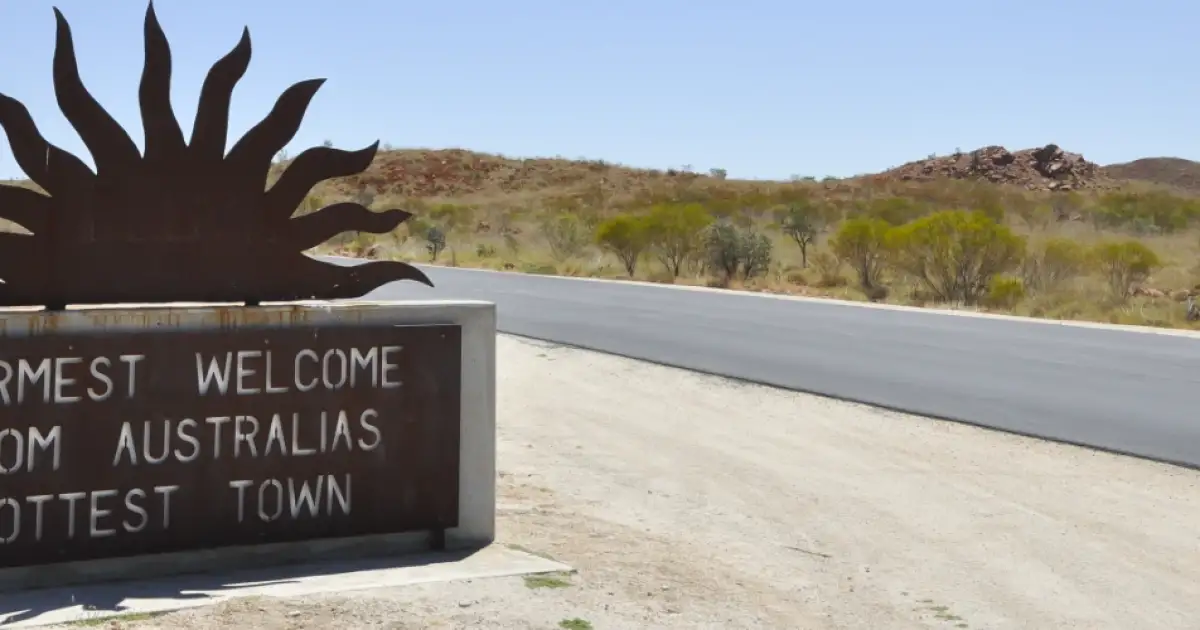
In southern Australia, spring and autumn are ideal for travel, offering mild temperatures and vibrant natural activity such as wildflowers, birdlife and calm coastal conditions. Summer brings warm weather and busy beaches, while winter offers cooler days and snow in alpine regions. The tropical north follows a different rhythm, with a dry season from May to September that provides clear skies and accessible roads, and a wet season from October to April marked by monsoonal rains, lush landscapes and dramatic storms. Inland and desert regions are best explored in the cooler months, avoiding extreme summer heat.
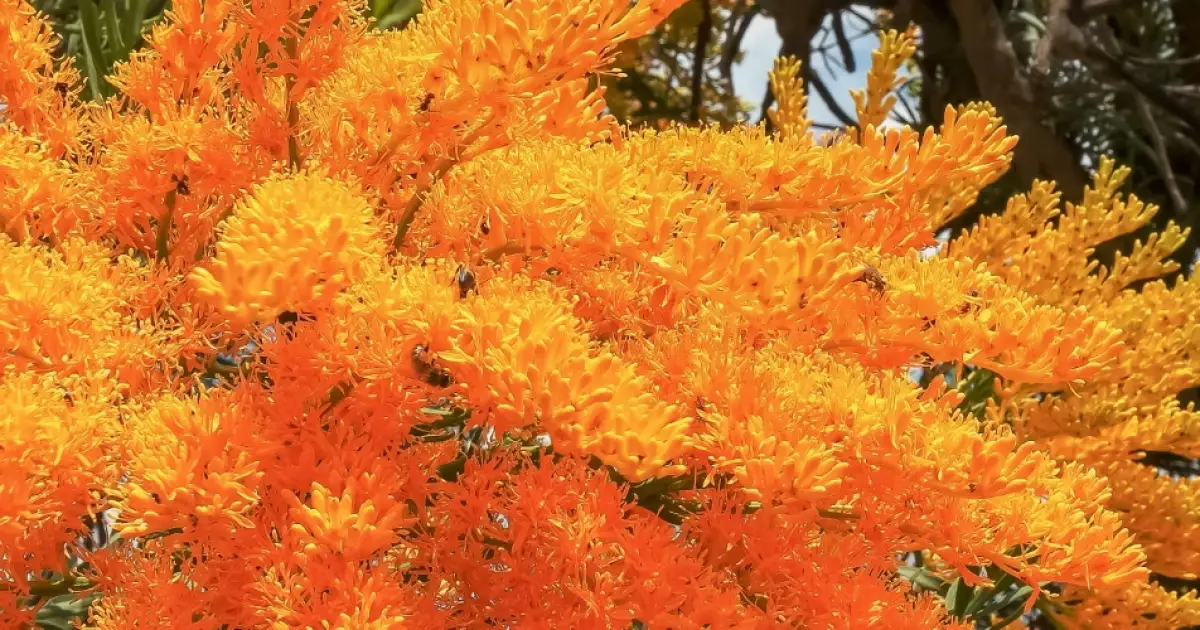
Aboriginal seasonal calendars vary across the continent, reflecting local knowledge of plants, animals, weather and ecological changes. The Noongar people of southwestern Australia recognise six seasons: Birak, Bunuru, Djeran, Makuru, Djilba and Kambarang. Each season marks shifts in wind, rain, flowering plants, animal behaviour and food availability. In the Top End, the Larrakia people observe seasons such as Dinidj, Bangkarrang and Damibila, which describe changes in humidity, storms, bush foods and wildlife movements. These calendars offer a deeper understanding of Country and highlight how Indigenous knowledge aligns closely with environmental cycles.
Combining Western seasonal guides with Aboriginal seasonal knowledge provides a richer perspective on Australia’s landscapes. Travellers can better appreciate how weather patterns, ecological changes and cultural traditions shape each region throughout the year, making seasonal awareness an important part of planning and experiencing Australia.