- Destinations
- Nature & Wildlife
- Culture & History
- Travel Planning
- Australian Life
- Kangaroo Jacks Gift Co.
- Aussie Kids

Southern Tasmania carries a quiet gravity. It is a region shaped by deep time, old stories, wild landscapes and communities that still move at a human pace. Visitors often find themselves slowing down, breathing differently and noticing details that usually slip past in everyday life. Southern Tasmania invites that shift. It is a place that asks people to come down for air.
Southern Tasmania is home to some of the most significant cultural landscapes in Australia. The Tasmanian Aboriginal people have cared for these lands for more than 40,000 years, and their custodianship continues today. Every coastline, forest, river and island carries their stories. For travellers and storytellers, acknowledging that history fully and respectfully is essential. It shapes the region in ways that no itinerary or brochure can capture.
Most journeys begin in nipaluna Hobart, a city that blends heritage streetscapes with contemporary creativity. From the waterfront to the mountain, Hobart acts as a gateway. It opens into the Derwent Valley, the Huon Valley, the Tasman Peninsula and the wild edges of the Southern Ocean. Each direction leads to a different rhythm.
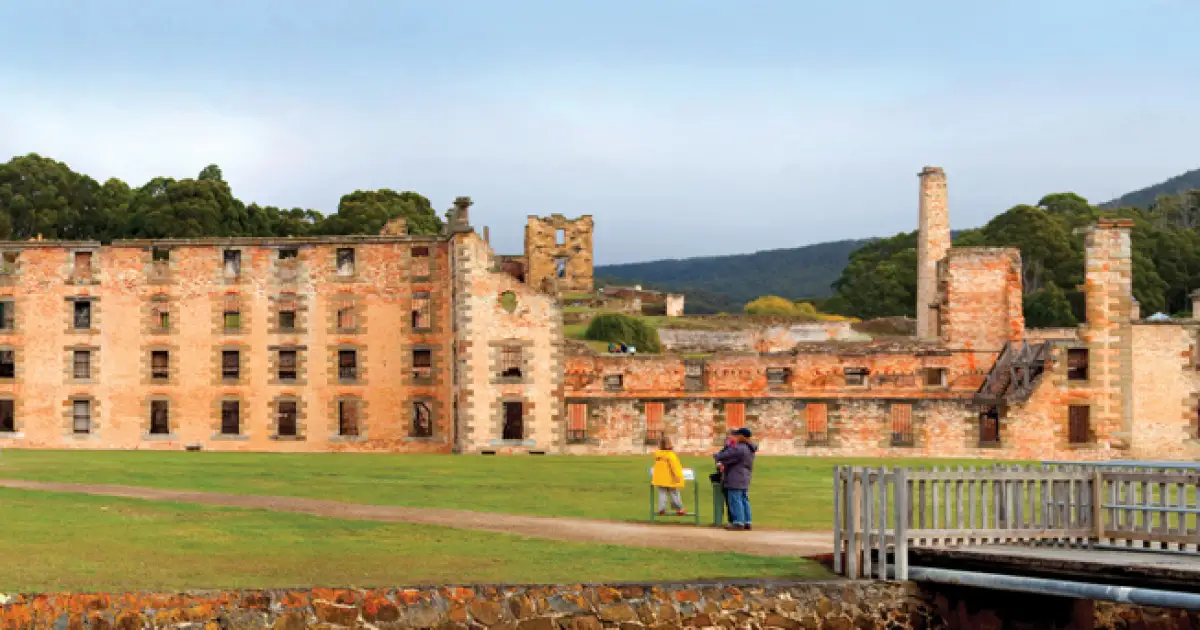
The region includes eleven local government areas, each with its own character. Some are known for iconic experiences like MONA, the Hobart Convict Penitentiary or the dramatic coastline of the Tasman Peninsula. Others are quieter, offering small town bakeries, forest walks, farm gates and the kind of encounters that stay with visitors long after they leave.
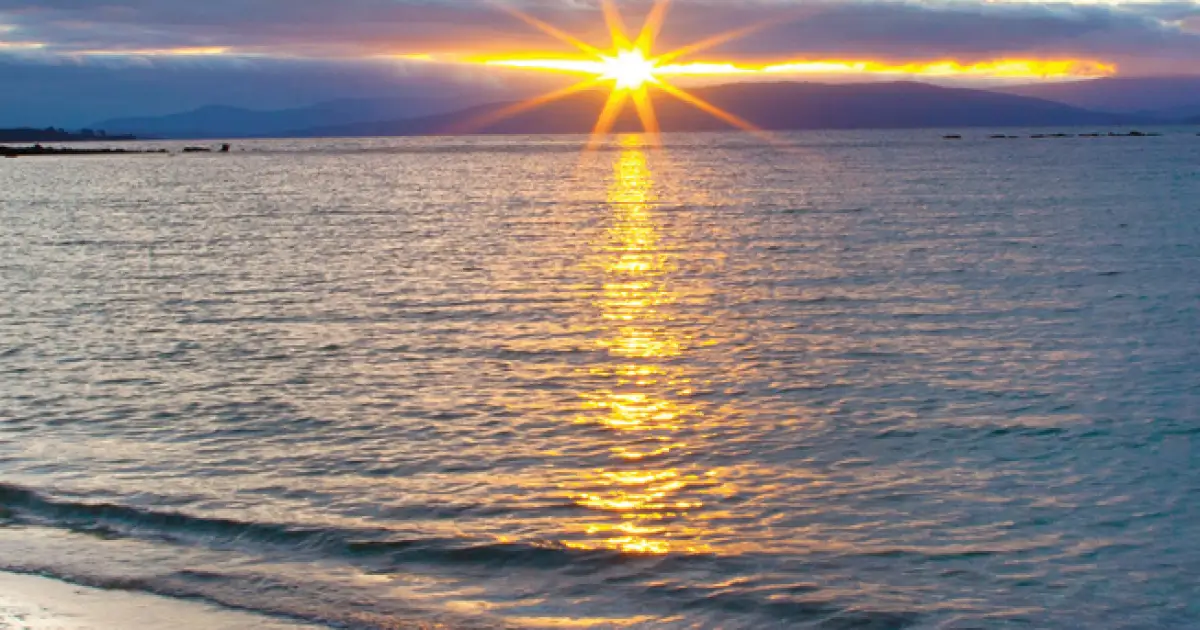
Many of Southern Tasmania’s treasures sit just off the main road. A turn into a valley might reveal a vineyard with a view that stops travellers in their tracks. A short ferry ride leads to Bruny Island, where the light shifts across the water in a way that feels almost cinematic. Winter mornings in the Huon Valley bring mist rising through the trees and the smell of wood fires drifting across the paddocks.
These are not staged experiences. They are part of everyday life for the people who call Southern Tasmania home. The region’s tourism operators work hard to protect that authenticity. Their focus is on sustainable visitation, positive impact and experiences that genuinely connect visitors to place.
Southern Tasmania rewards curiosity. It is not a place to rush. The best moments often come from wandering, pausing and letting the landscape set the pace. Whether it is a forest walk, a long lunch, a heritage site or a quiet lookout, the region encourages travellers to take their time.
Southern Tasmania is at its most compelling when visitors let it unfold naturally. It is a region that invites exploration, but also reflection. On the country. On the stories. On the people who live there. And on oneself.
Southern Tasmania represents something important in Australian travel. It shows how regional tourism can be both economically strong and deeply respectful of culture, community and environment. It demonstrates how local operators, councils and organisations can work together to create a visitor economy that feels connected rather than extractive.
Most of all, it reminds travellers that some of the most powerful experiences come from places that are not trying to be anything other than themselves.
Southern Tasmania is one of those places.