


Fanny Cochrane Smith, born in December 1834 at Settlement Point on Flinders Island, Tasmania, was a proud and vocal Aboriginal Tasmanian. Her mother, Tanganutura, and stepfather, Nicremeric, were part of the Aboriginal community relocated to Flinders Island by George Augustus Robinson. This forced settlement aimed to suppress traditional Aboriginal culture, yet Fanny's spirit remained unbroken.
Raised partly in an orphanage and serving as a domestic servant, Fanny navigated a restrictive colonial environment. Despite these hardships, she remained firmly connected to her heritage, honouring Aboriginal customs by hunting, gathering bush foods, making baskets, and practising traditional medicine and observances throughout her life.
Life and Cultural Contributions
Fanny married William Smith, a former convict and sawyer, in 1854. Together, they raised 11 children and ran a boarding house in Hobart before settling near Oyster Cove. Her land, granted by the colonial government in recognition of her heritage, allowed her to remain close to family and traditions despite the sweeping changes in Tasmania's social fabric.
Fanny's most enduring contribution was her commitment to preserving Tasmanian Aboriginal culture. She actively shared her knowledge and practices, preventing the complete loss of traditional customs. Her pride in her heritage was evident throughout her life, but it is her recordings of Aboriginal songs that most profoundly secured her legacy.
Preservation Through Song
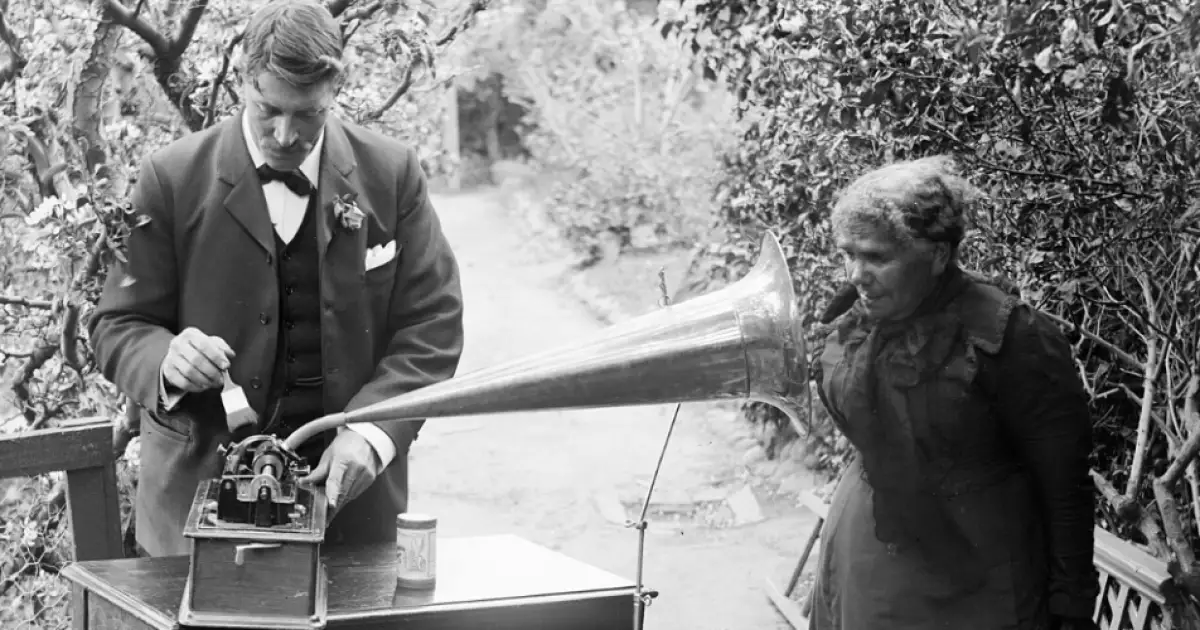
At the end of the 19th century, Fanny Cochrane Smith achieved something monumental. Between 1899 and 1903, she recorded Aboriginal songs on wax cylinders, making her the only person to have preserved tangible audio evidence of traditional Tasmanian Aboriginal language and music. This historic effort was facilitated by ethnographer Horace Watson, who used an Edison phonograph for the recordings.
Although intended to preserve a piece of her culture, the recordings carried emotional weight for Fanny. Upon hearing the songs played back, she exclaimed, "My poor race. What have I done?" She believed the voice she heard was that of her mother, demonstrating the deep emotional and cultural connection these songs held for her.
Legacy and Recognition
Fanny lived a life of resilience and cultural pride, leaving an indelible mark on Australian history. Following the death of Truganini in 1876, some recognised Fanny as the last "full-blooded" Tasmanian Aboriginal, though this term and its implications are now considered outdated and inappropriate.
Her recordings have been a critical resource for understanding and preserving Tasmanian Aboriginal culture. These songs were added to the UNESCO Australian Memory of the World Register in 2017, highlighting their significance as an essential piece of the nation's cultural heritage.
Beyond her recordings, Fanny's contributions to her community included donating land for the construction of a Methodist church at Nicholls Rivulet, a place of gathering and resilience. Her work and legacy are celebrated through exhibitions in the National Museum of Australia and ongoing recognition of her role in preserving Indigenous culture.
Remembering Fanny Cochrane Smith
Fanny Cochrane Smith passed away in 1905, but her legacy endures. Her life serves as a testament to the strength, resilience, and cultural pride of the Aboriginal Tasmanian community. From her songs to her daily practices, Fanny's dedication to preserving her heritage has ensured her place in history as a profound cultural keeper.
Today, Fanny Cochrane Smith stands as a symbol of the importance of cultural preservation and the enduring spirit of Australia's First Nations peoples. Her voice, immortalised in her recordings, continues to echo as a reminder of the richness and resilience of Aboriginal culture in Tasmania and beyond.
