


Australian history portrays the resilience and determination of women in various socio-economic spheres. Initially, the imbalance of male and female populations following colonisation in 1788 profoundly affected early society. Female convicts, often marginalised through societal labels, played pivotal roles in the growth of the colony. For instance, women contributed to domestic care, education, and welfare, with many engaging in trades often dominated by men.
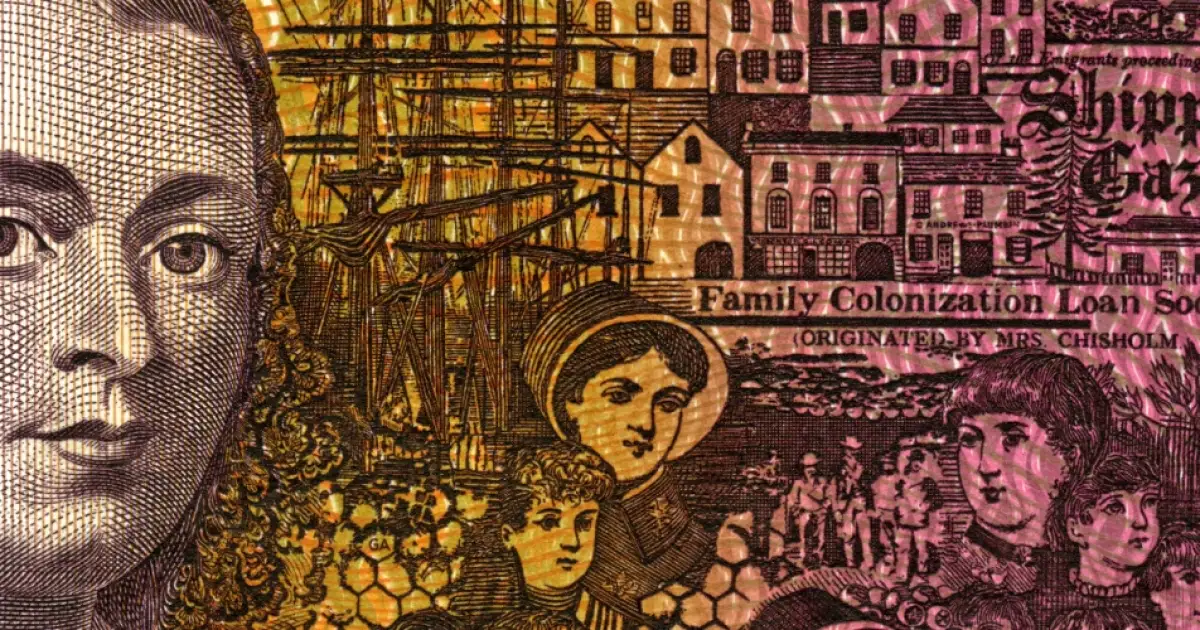
Figures such as Caroline Chisholm advocated for social reform. Through initiatives like migrant shelters and family support systems, Chisholm fostered better living conditions for women and families. Similarly, Elizabeth Macarthur aided the establishment of the Australian merino wool industry, showcasing feminine leadership in agriculture during the 19th century.
The Fight for Women’s Suffrage
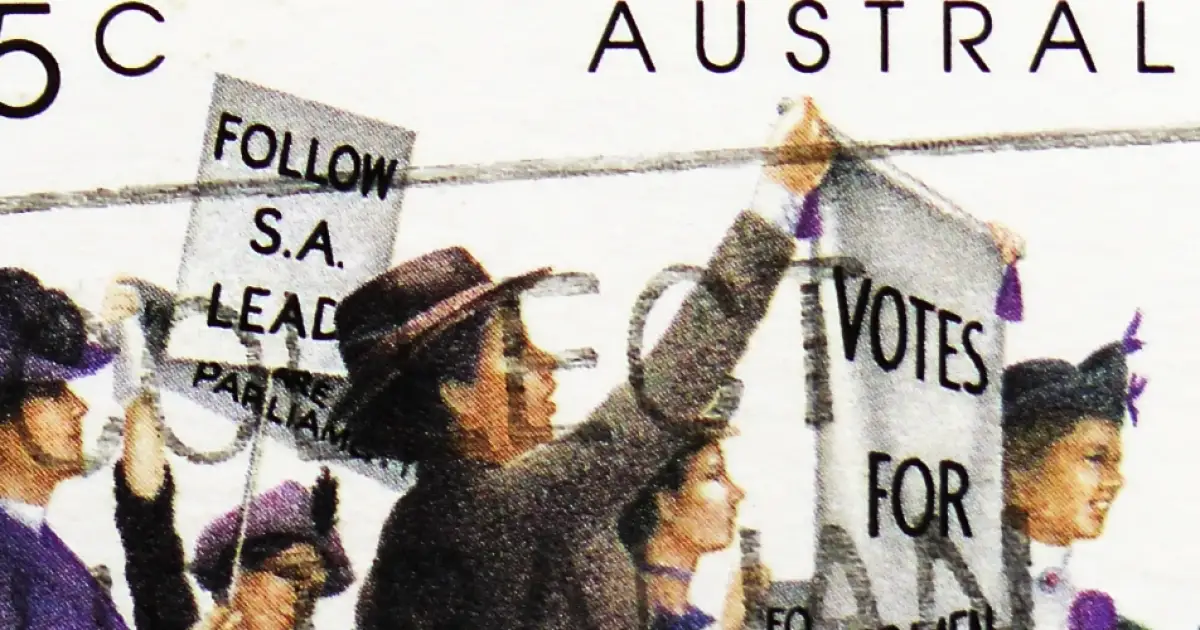
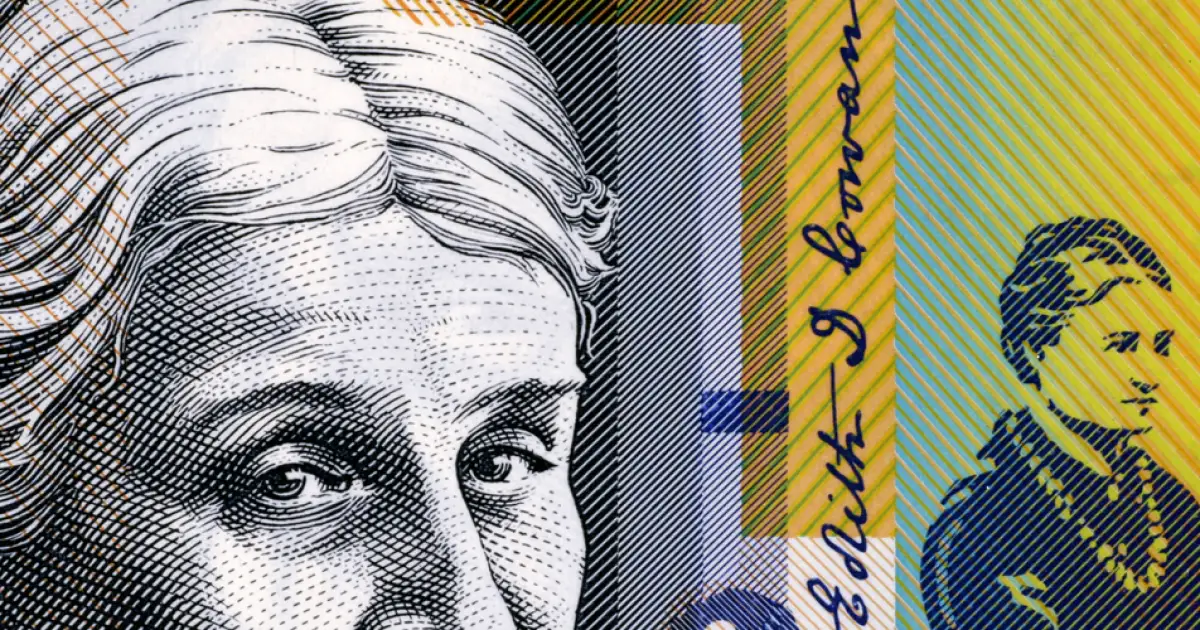
Australia pioneered women’s rights, becoming a global leader in the suffrage movement. Women in South Australia achieved the right to vote and run for office in 1895, making them among the first in the world to exercise such civic privileges. Influential suffragists like Catherine Helen Spence championed these initiatives, shaping national conversations around gender and political reform.
The granting of federal voting rights in 1902 established Australia as a leader in gender equality in governance. However, Indigenous women were excluded from these rights for decades, reflecting ongoing socio-political challenges in fully addressing gender and racial inequities.
Women During World Wars
Both World Wars marked significant shifts in women’s roles within Australia. During World War I and II, women actively entered the workforce to fill gaps left by enlisted men. They contributed significantly to industries such as manufacturing, agriculture, and clerical roles. Organisations like the Australian Women’s Land Army were instrumental in mobilising female workers to sustain the war effort.
Post-war periods saw resistance to women maintaining these roles, yet their contributions fostered broader acceptance and discussions of gender equality in employment, laying the groundwork for subsequent legislative reforms.
Modern Gains and Global Recognition
Women’s roles in Australian society evolved significantly throughout the 20th century. Legal milestones, including the criminalisation of marital rape in the early 1990s and the ongoing implementation of anti-discrimination laws from 1984, reflect progress in addressing systemic gender inequality. Additionally, the introduction of the equal pay legislation in the 1970s strengthened women’s economic independence.
Figures like Julia Gillard, Australia’s first female Prime Minister, and Mary MacKillop, the nation’s first saint, place Australian women on the global stage, showing the far-reaching impact of their leadership and advocacy. The contributions of Indigenous women, including activism and cultural preservation, highlight diversity in leadership and a commitment to heritage.
Present Challenges and Future Directions
Despite progress, gender disparities persist in Australia. Women continue to face challenges such as the gender pay gap, underrepresentation in corporate leadership, and higher rates of domestic violence. Efforts to address these issues include educational initiatives, workplace reforms, and community awareness campaigns.
Advancements in reproductive rights, including the decriminalisation of abortion in various states, exemplify strides toward autonomy. However, societal and legislative progress remains crucial for comprehensive gender equality.
