

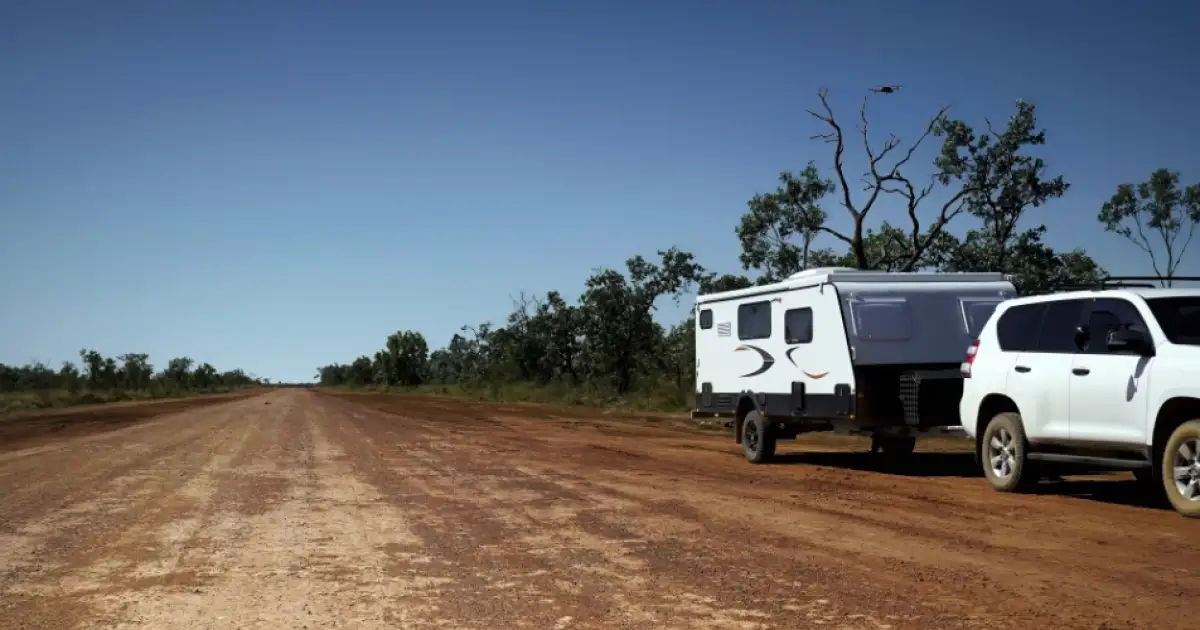



Road trips to the beach and memorable moments spent with family and friends is what summer is all about. But along with sun, salt and sand comes double demerit points and extra police on patrol.
So, remember to stay diligent, focused, and be sure to keep road safety at the top of mind.
To help you along your journey, follow the 8 safety tips below:
1. Get a good night’s rest
To best prepare yourself for a trip – regardless of the length of your drive – it’s imperative to get adequate rest, because if you don’t, it can cause fatigue that can lead to a micro-sleep. According to the national Office of Road Safety, tiredness is one of the leading factors contributing to road crashes and has several problematic effects on driving performance; including slowed reaction time, shorter attention span, and less effective memory and decision making.
2. Maintain your vehicle
Take your car for routine services and regularly check all elements of your vehicle – washers, battery, oil, fan belts, filters, lights and tyres. Legally, tyres must have 1.5mm or more tread depth. Tyre wear can increase through incorrect tyre pressure. You’ll usually find your vehicle’s recommended tire pressure on a sticker in the door jam, in the console, or in your vehicle’s owner manual. All drivers in Australia are legally required to have Compulsory Third Party Insurance. If you’re from WA there is only one set CTP provider, however you can choose in other states like SA, NSW, QLD and ACT.
3. Plan ahead
Knowing where you’re going and what route you’re taking to get there will save you a lot of time and possible confusion. Plan and set your directions using navigation apps like Google Maps or Waze before you take off.
4. Choose the right time to drive
It’s best to travel during the day when the sun is out. This makes your vision clearer, making it easier to see and be prepared for the unexpected. Try to avoid driving during early hours of the morning and throughout the night. And if you do, be prepared to slow down – especially near sunrise and sunset when animals like kangaroos, wombats and stray stock can move fast and be extremely unpredictable.
5. Watch out for wildlife
When animals stray onto the road it’s hard to know what they’ll do next. Being alert and slowing down could prevent a collision and even save your vehicle from being severely damaged. And if an animal does happen to run in front of your vehicle you should never swerve, because believe it or not, it’s safer to hit an animal than it is to swerve and possibly lose control of your vehicle.
6. Always follow the road rules
During the summer holidays in Australia, double demerit penalties start in December from the week of Christmas until the first week of January. Be mindful of speeding, drink driving, illegal use of mobile phones and not wearing a seatbelt – just to name a few. Consequences for breaking the road rules consist of heavy fines, loss of points and even loss of licence. Sticking to the road rules reduces your risk of not only being hit with double demerit points and a hefty fine, but also reduces the risk of accidents.
7. Take a break every two hours
For every two hours of driving, it’s recommended to take a 15-minute break. With thousands of rest areas scattered throughout the country, it’s always a good idea to take a break. Find a Driver Reviver rest stop to stretch your legs and step out of your car to get a breath of fresh air. Driver Reviver sites and rest areas are available 24 hours a day all year-round. In the case you’re unable to locate a rest area, petrol stations, information centres, parks and country towns also make for great places to stop and take a break from the wheel.
8. Be sure to buckle up
Before you hit the road, make sure everyone is buckled up. It’s a fact that wearing a seatbelt reduces the risk of injury and death in the event of a crash, so click clack, front and back.
