


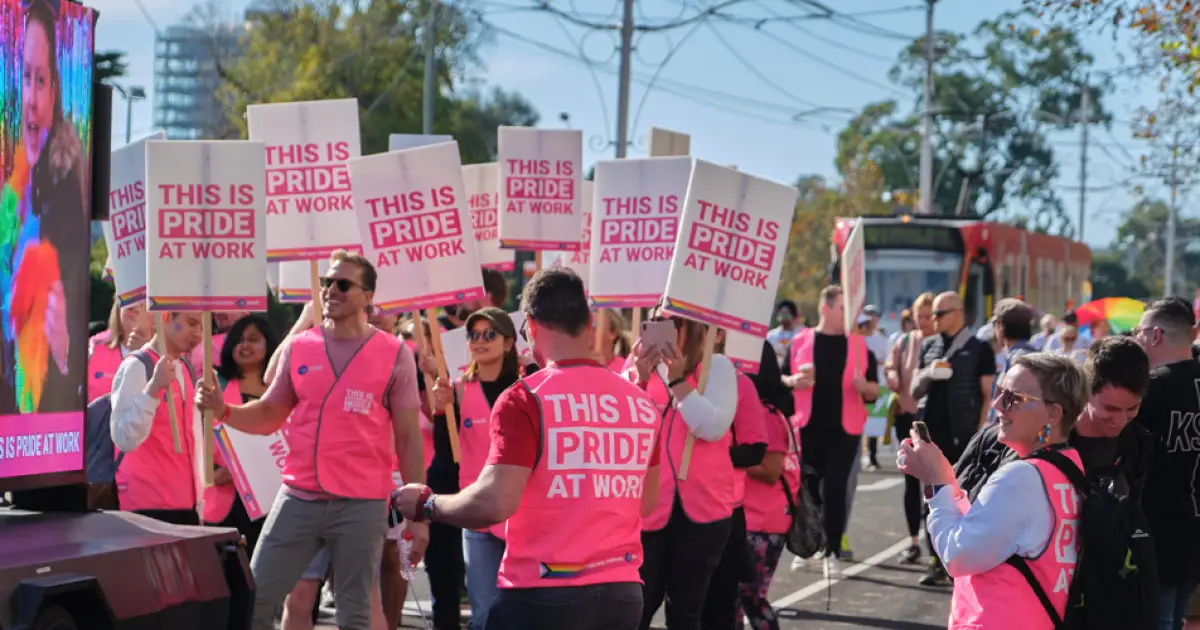



Love knows no boundaries, no limits, and certainly no gender. But for the LGBTQ+ community, love often comes with added challenges and discrimination. For decades, same-sex couples in Australia fought for the right to marry, rallying for equality and the recognition of their love. Finally, in 2017, same-sex marriage became legal in Australia, marking a historic milestone for the LGBTQ+ community.
SSM Roots
The roots of the same-sex marriage movement run deep, stretching back to the early 1970s. In 1975, South Australia became the first state to decriminalize homosexuality, setting the stage for further progress. Activists within the LGBTQ+ community formed organizations and began advocating for legal reforms, including the right to marry. At the forefront of this movement were groups such as the Gay Liberation Front and the Australian Lesbian and Gay Archives, who fought tirelessly for equality and recognition.
Despite these early efforts, same-sex marriage remained illegal in Australia for several decades. It wasn't until 2004 that the federal government formally defined marriage as a union between a man and a woman, effectively banning same-sex marriage. This sparked a wave of protests and activism, with tens of thousands of people attending rallies in support of equal marriage rights.
Civil Unions
The same-sex marriage movement gained even greater momentum in 2011, when the Australian federal parliament passed legislation allowing same-sex couples to enter into civil unions. While this was a significant step forward, many activists continued to push for full marriage equality.
SSM (Same Sex Marriage)
The years that followed saw a groundswell of support for same-sex marriage, with campaigners and organizations working tirelessly to raise awareness and build public support. In 2015, Australian Greens senator Sarah Hanson-Young tabled a bill to legalize same-sex marriage, paving the way for a national debate and ultimately setting the wheels in motion for change.
Finally, on December 7, 2017, same-sex marriage became legal in Australia. This historic decision followed a national postal survey that found 61.6% of Australians were in favour of legalizing same-sex marriage. Same-sex couples across the country were finally able to marry the person they loved, in a moment of joy and triumph for the LGBTQ+ community.
The battle for same-sex marriage in Australia was a long and hard-fought journey, spanning several decades and involving thousands of activists and campaigners. It was a fight for love, equality, and recognition- one that was ultimately won through the perseverance and dedication of many. While there is still much work to be done to ensure full equality for the LGBTQ+ community in Australia and around the world, the legalization of same-sex marriage was a landmark achievement that will always be celebrated. As we look to the future, let us continue to fight for equality and acceptance for all, and let love continue to know no boundaries.
