First summer and the rhythm of Birak
Birak is the Noongar first summer, typically aligning with December and January across south-west Western Australia. Rains ease as warm weather takes hold; mornings bring easterly winds and afternoons are cooled by sea breezes, marking a reliable pattern that signals seasonal change and activity on Country.
Fire knowledge and mosaic burning
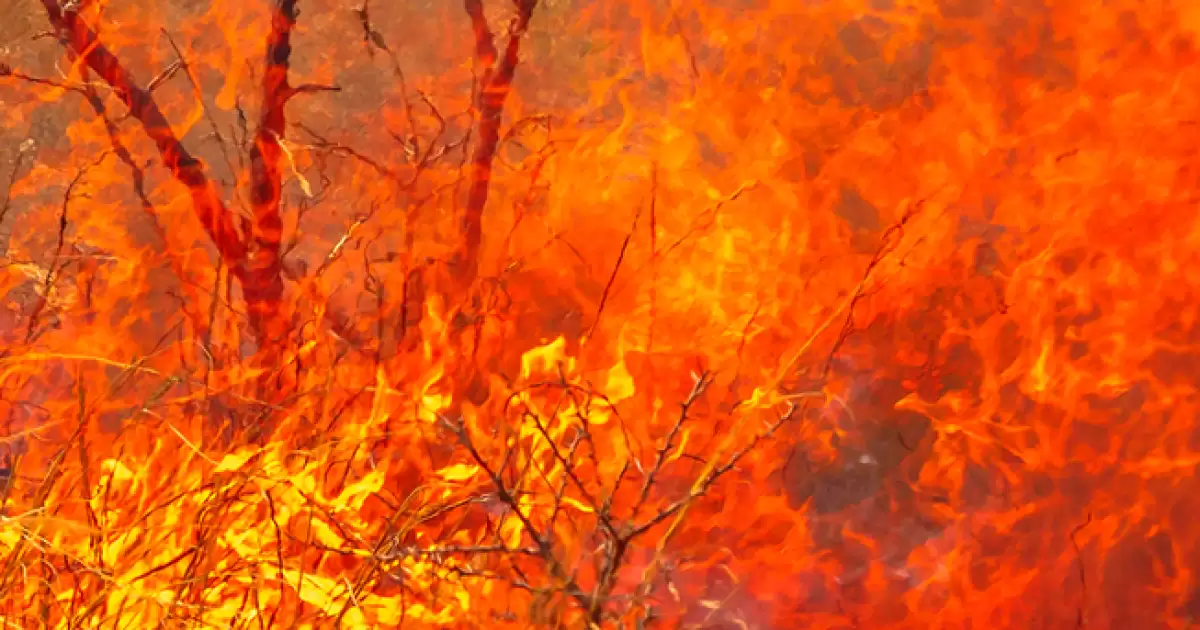
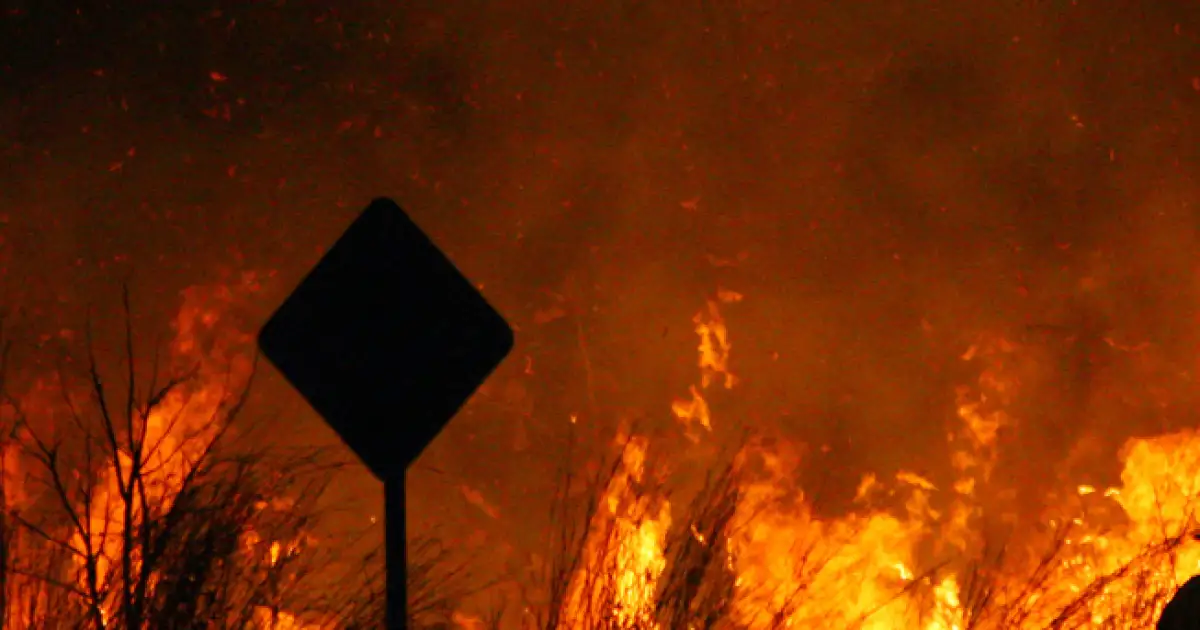
Birak is traditionally known as the burning season. Noongar people practise mosaic or “cool fire” burning to reduce fuel loads, promote seed germination, open movement corridors, and support grazing for animals, carefully timed with wind patterns to keep burns controlled and regenerative.
Land care during Birak includes using flame and smoke to release and germinate seeds, supported by cycles of hot days and quenching rains. These practices underpin environmental regrowth and reflect deep cultural knowledge of boodja (land) and its seasonal rhythms.
Country in bloom and animal activity
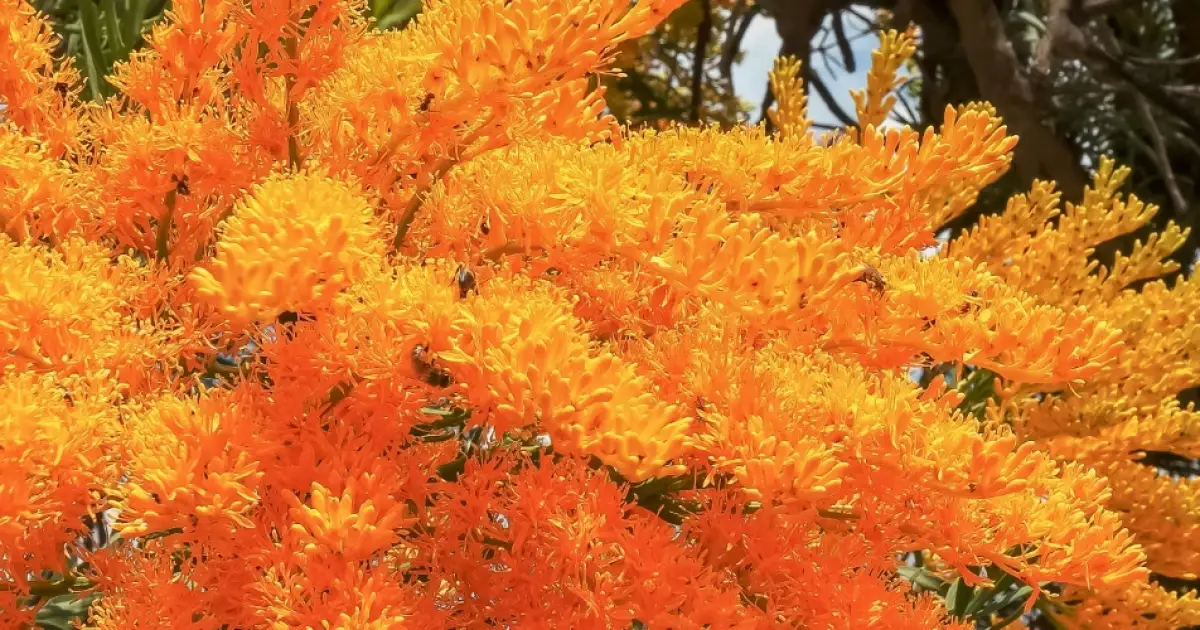
Birak brings striking colours in the sky and across the landscape, with the Australian Christmas Tree (Moodjar/Nuytsia) flowering bright orange-yellow, an iconic signal that heat is on its way. Banksias provide nectar, while reptiles shed their skin and fledgling birds such as magpies venture out, often still close to their parents.
As temperatures rise and rainfall decreases, baby frogs complete their transformation to adulthood, adding to the seasonal chorus of life. These ecological indicators help track the progress of Birak across wetlands, woodlands and coastal zones.
Coastal abundance and seasonal foods
Birak is a time of plenty along the coast and estuaries. Traditionally, Noongar families travel to seaside locations across Boorloo (Perth), Walyalup (Fremantle), Mandjoogoordap (Mandurah), Bunbury and Kinjarling (Albany), following time-honoured paths toward rich marine and estuarine foods.
Blue-swimmer crabs, prawns and a variety of fish, such as whiting, flathead, bream, tailor and herring, are abundant in waters like the Peel-Harvey Estuary and Derbarl Yerrigan (Swan River). Coastal herbs including native spinach, sea parsley and samphire complement seafood, with traditional methods like stone fish traps and cooking on hot coals featuring in Birak feasts.
Wattle seeds are harvested, roasted and ground for paste or flat bread; gum from jam and manna wattles, sometimes called “Noongar toffee”, offers a chewy, slightly sweet treat. Bush flavours such as Geraldton wax can be used to season fish wrapped in paperbark and cooked in ashes.
Community, knowledge and respect
Birak highlights the importance of Indigenous seasonal calendars, which guide care for Country and deepen understanding of plant and animal cycles. The six Noongar seasons, Birak, Bunuru, Djeran, Makuru, Djilba and Kambarang, vary in length and are defined by natural indicators rather than fixed dates, reinforcing a lived relationship with environment and climate.
Noongar-owned initiatives that share the six seasons support community learning and cultural continuity, offering accessible ways to engage with Country through language, colours, and seasonal activities. Birak is often represented by warm tones, pink through reds, to reflect the heat, sun and spectacular sunrises and sunsets of first summer.
Experiencing Birak in Perth and the South West
Visitors and locals can experience Birak through coastal walks, estuary exploration, and learning about bush foods and cultural practices led by Noongar custodians. Seasonal tourism stories and experiences highlight respectful engagement with Country, connecting people to Birak’s seafood abundance, plant flavours and regenerative land care traditions across Perth and nearby regions.
Absolutely Australia acknowledges Noongar custodians of south-west WA, and pays respect to Elders past and present.