The Pilbara is once again proving why it’s considered the nation’s furnace. From Marble Bar to the inland deserts, temperatures are soaring well above average as locals brace for a long stretch of scorching days & dangerous fire weather.
Marble Bar turns up the dial on “normal” heat
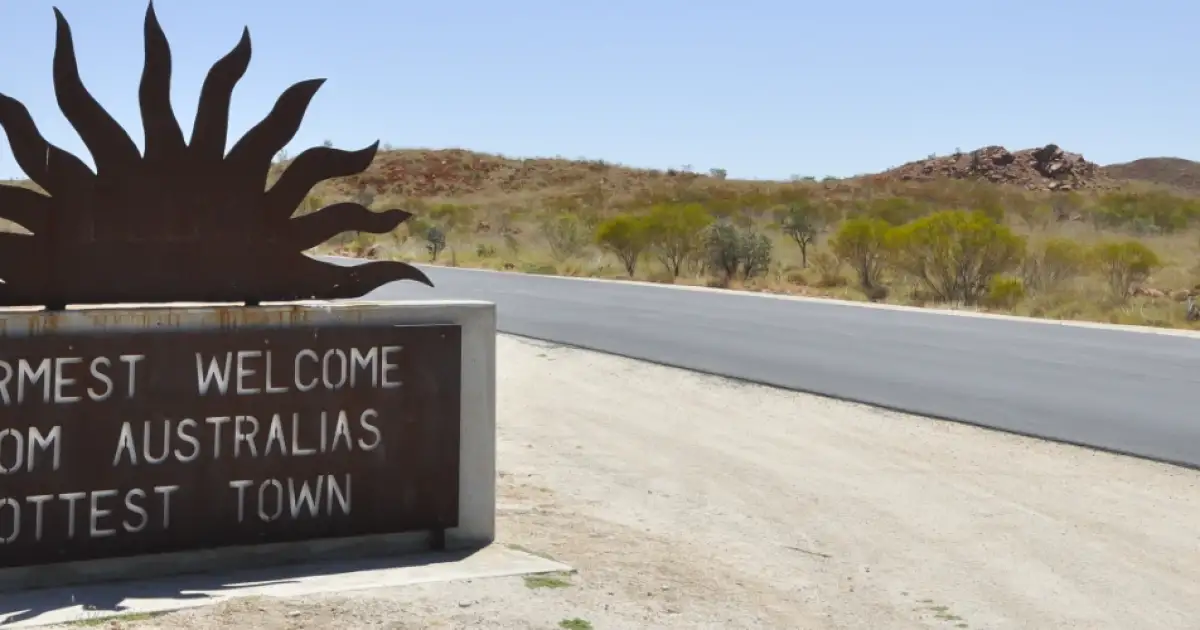
Marble Bar, famous for its blistering summers and bitumen-melting afternoons, is again at the centre of the heatwave. The town is staring down a run of extreme temperatures, with the 10-day forecast showing multiple days nudging or exceeding the high 40s, according to Weather.com. For locals, this is hardly unusual, but even seasoned residents admit the current stretch is a tough one.
Despite the brutal conditions, the community’s resilience shines through. In a recent MSN feature, Marble Bar residents shared their tried-and-tested cooling strategies, from soaking towels in cold water and draping them over shoulders, to keeping curtains closed all day, to the classic Pilbara tactic of heading straight for the nearest air-conditioned pub. Others swear by early-morning chores, icy drinks, and the simple rule: “If you don’t have to be outside, don’t.”
What’s driving the extreme heat
Meteorologists point to a stubborn high-pressure system parked over central Australia as the main driver. Normally, troughs sweeping in from the west help flush out the heat and bring some relief. Instead, the system has stalled, allowing hot, dry air to pool over inland WA and push temperatures well above the seasonal norm.
This same pattern is fuelling a broader heatwave across multiple states, with very hot, dry air feeding dangerous fire conditions. Clear skies, low humidity and gusty winds are lining up to create the kind of weather that keeps firefighters on edge and communities' alert.
Heatwave warnings & fire danger
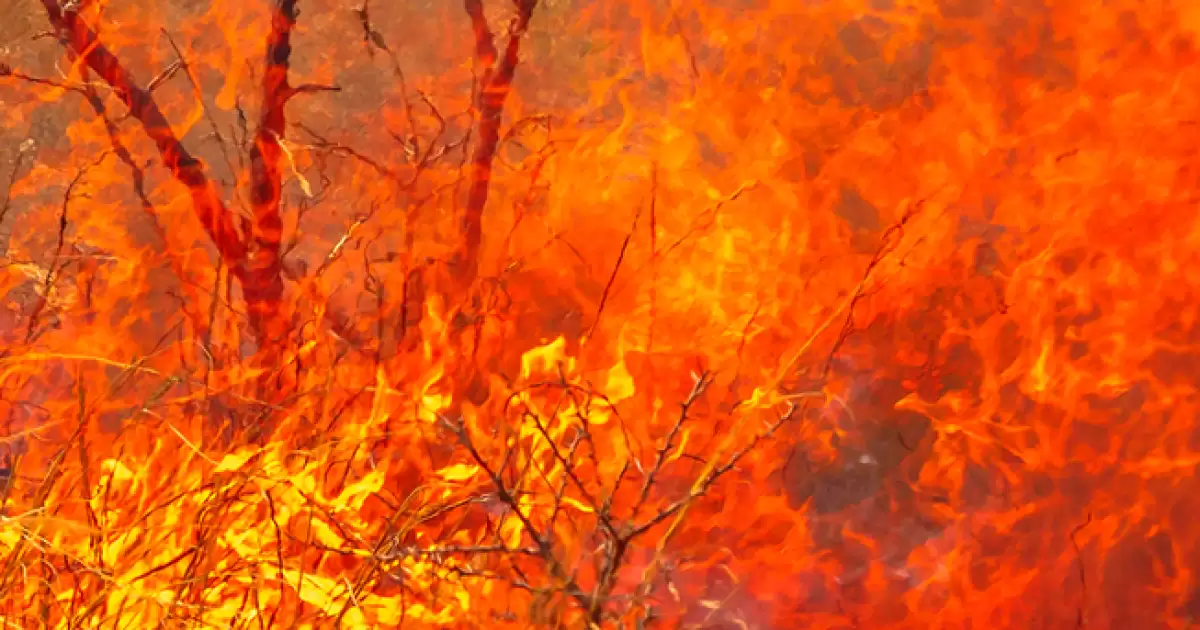
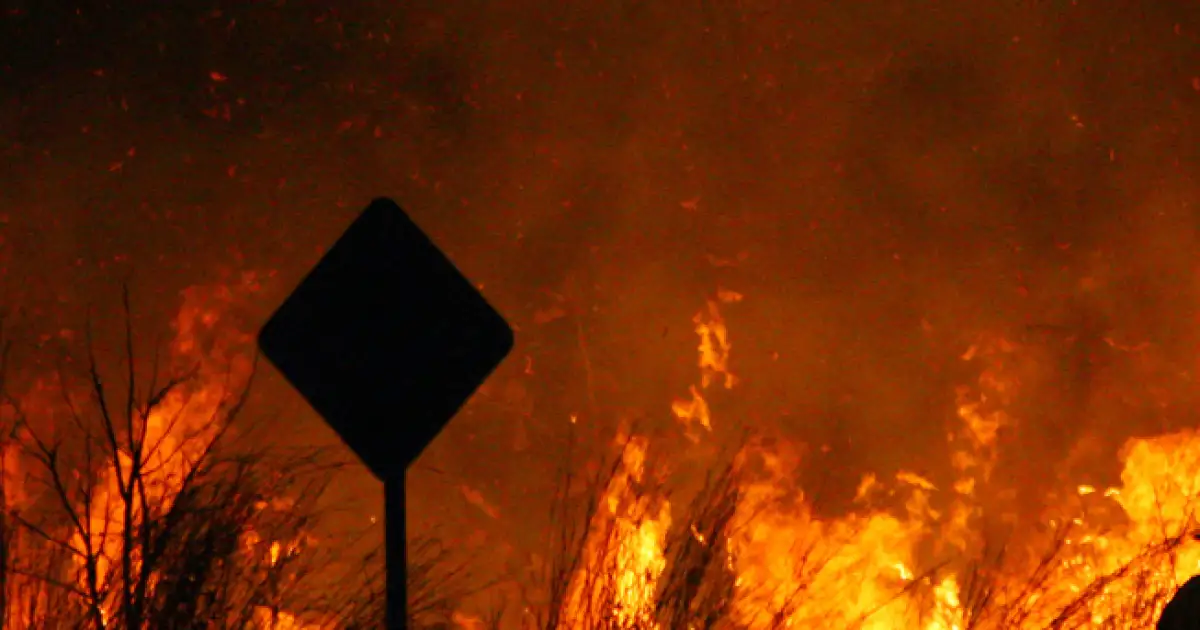
Authorities are issuing repeated warnings as the heatwave spreads further south and east. Severe to extreme fire danger ratings are expected in several regions, particularly where cured grasses and strong winds combine to create fast-moving fire risks.
In regional WA, residents are well-versed in heatwave routines: total fire bans, burn-off restrictions, and keeping bushfire plans close at hand. Clearing around homes, staying informed and avoiding risky activities on scorching days are all part of the rhythm of living in the west.
Living with heat that melts roads
For communities in the Pilbara & inland WA, extreme heat isn’t a novelty, it’s a defining feature of daily life. Roads soften in the afternoon sun, steering wheels become untouchable & shade becomes a precious commodity. Workdays start early, outdoor jobs pause in the peak of the heat & hydration becomes a full-time commitment.
Visitors often feel the shock hardest. Grey nomads & travellers regularly find themselves retreating to air-conditioned roadhouses or rethinking their itineraries when the thermometer climbs into the high 40s. Long-term residents, meanwhile, rely on a mix of experience, routine & community support to get through the hottest spells, including the practical cooling hacks now circulating widely thanks to local interviews.
Health risks & community resilience
Health agencies are reminding people that heatwaves can be dangerous, especially for older residents, young children and those with existing health conditions. In towns where “stinking hot” is the default forecast, checking in on neighbours and ensuring access to cool spaces is becoming increasingly important.
Communities across WA are also looking at long-term adaptation: better building design, more shade structures, improved public cooling facilities & urban planning that helps people cope with hotter, longer summers.
Looking ahead: hotter summers & tougher choices
Forecast models suggest that extreme heat will remain a dominant feature for northern & inland WA in the coming seasons. More frequent incursions of very hot air into southern parts of the state are also expected, meaning communities will need to continue adapting to a hotter climate.
Western Australians are known for their resilience & dry humour in the face of harsh conditions. But as heatwaves intensify and stretch further into the year, the pressure will grow on governments, planners & communities to treat extreme heat not just as uncomfortable weather, but as a serious long-term challenge for health, infrastructure & daily life in the west.