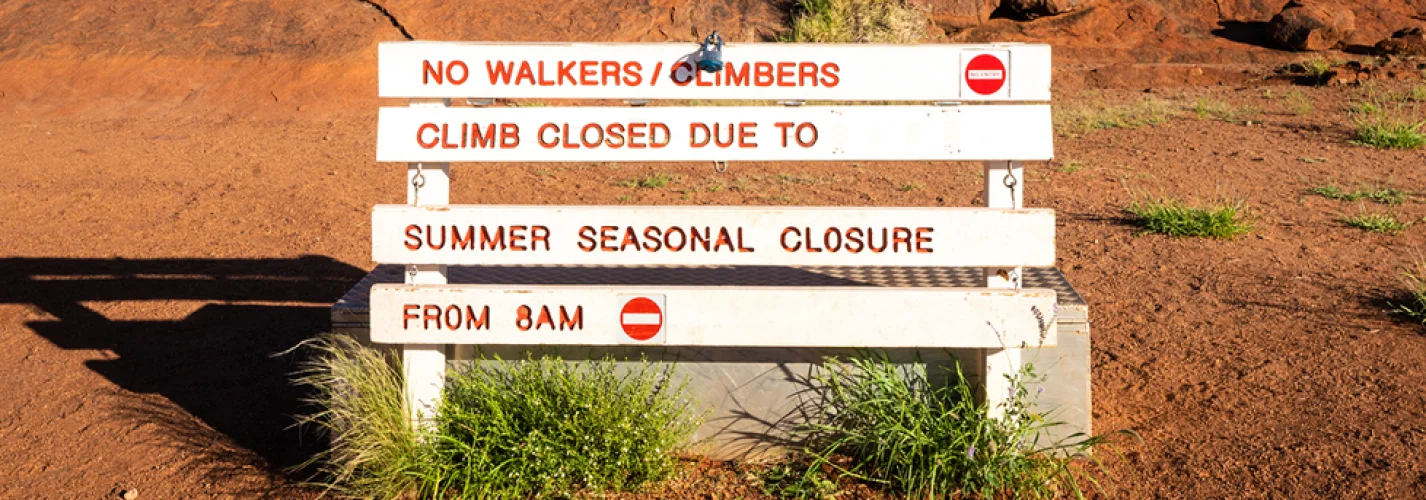
Walking in national parks and reserves provides a great opportunity for solitude and discovery. Australia is a huge country. If you’re bushwalking or exploring national parks it can take hours to get help in the event of an emergency. The terrain and intense heat can have a severe impact on your capabilities. Take plenty of water and a means of rigging up shelter from the sun.
Rivers and pools can be subject to sudden flash flooding as a result of heavy rain elsewhere in the area. There has also been cases of tourists injuring themselves by diving into water which was too shallow. Make sure that there is sufficient depth of water & no debris before diving, and always follow warning signs if present.
We’re often most at risk on short day trips. Don’t disregard standard precautions just because it’s a short hike. You need to be self-sufficient (first aid supplies, food & water, extra layers of clothing and a light).
There are a few things everyone can and should do to make sure you get home safely.
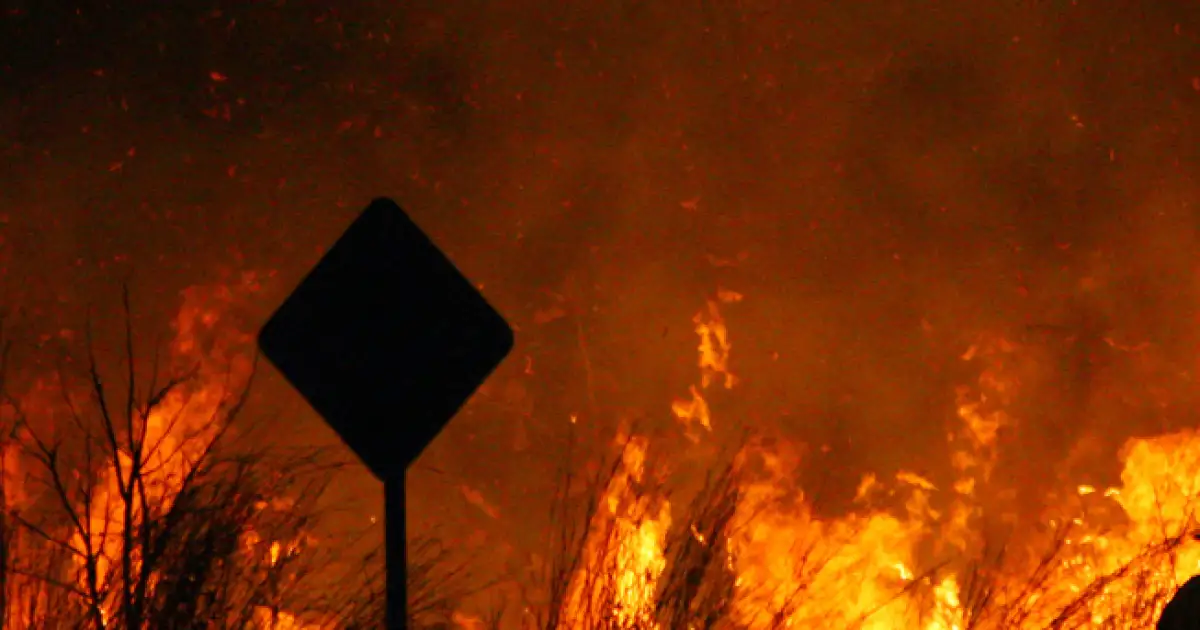
Bushfires are a frequent hazard during summer months, and sometimes during other parts of the year. You should become familiar with bush fires in Australia.
Get Informed
Discovery is intoxicating, but the road to discovery is often fraught with unexpected bumps in the road & dangers. Know what you’re about to embark on.
- Know the risks associated with the local area, what is required and what to see.
- Commercial tour operators can help you with information about seasonal beauty and local conditions.
- Check the latest information for the area you wish to visit.
- Plan your trip to maximise your enjoyment.
- Manage the risks to minimise the likelihood of injury or distress.
- Become familiar with dangerous animals, reptiles & insects.
Plan your trek or walk
- Research your walk & check the difficulty. Some walks requires additional skills.
- Make sure everyone is comfortable with the planned route & maintain the pace of the slowest person
- Don’t overestimate your abilities
- Stay in groups of 3 or more. If someone gets injured, one will have to stay with the injured person while the other goes for help.
- Check on current Weather Conditions! - and park conditions. Be aware weather can change quickly. If waterfalls are included in your walk, check out if they are swimming holes & related waterfall safety tips
Tell someone
You should always let someone know where you’re going and when you’ll be back. Nominate someone reliable and give them the following information:
- Always advise someone on your movements. If you have no one to advise, then contact the park administration or your local Police Station, and advise them of your activities & route details, and when to expect you back. Alternatively you can leave your details on www.tripintentions.org (a free service provided for community benefit by the volunteer group Bush Search & Rescue Victoria)
- Include the contact details of who they need to contact in an emergency.
- Include any medical conditions you have.
- Advise who you are with.
- Advise details of the vehicle you’re driving to get there.
- Check in and advise when you return.
- The cut-off time – after which they need to contact emergency services.
- Check in and advise when you return.
- Send a quick SMS when leaving on your hike, so the time of departure is recorded.
- Impress on them the seriousness of the task.
Stay on track
Many people have trekked through a lot of the Australian outback, forests and parks. Each person leaves a track of crushed flora, insect colonies and animal migration trails. By leaving established and designated trails, you are also increasing your chances of getting lost.
Walking tracks in national parks, bushland & in the outback are not always signposted or maintained, so know where you are & leave small landmarks if necessary (like an arrow made out of twigs).
We want to ensure that native plant and animal communities are disturbed as little as possible so we can protect our landscapes for generations to come. Refrain from leaving established tracks.
Ability to communicate distress
There are numerous options to ensure you can call for help (satellite phones, UHF radios etc). If you can get to a ridgetop you could have quite good reception. Or you can use a more reliable method, a Personal Locator Beacon (PLB). A PLB will transmit a distress signal of your location via satellite, which is constantly monitored by emergency services.
Mobile (cell) phone coverage is limited to population centres. The emergency telephone number used in all parts of Australia is 000.
What to bring on a hike
- Matches
- Topographic map(s)
- A compass (be confident how to use it)
- A space blanket
- A first aid kit
- Sunscreen
- Insect repellent
- Raincoats
- Plenty of water
- Personal locator beacons
- Mobile phone
- Snacks
- Wear & take appropriate clothing
- Wear closed-toe footwear, windproof and waterproof jacket
- Camping overnight - take a good tent, sleeping bag, and a torch
Expect to take more than you think
- Plans change, sometimes unexpectedly.
- Always take more water, food and warm clothing
- Have a day pack which stays packed with all the necessities
- Your safety in the bush depends on you packing for every possible situation.
Water Availability
Australia is one of the driest continents on earth. If travelling by vehicle in remote locations always carry plenty of drinking water for emergencies. When doing anything in Australia, it is always a good idea to make sure you have water, and know how to find more water. In some regions the availability of water can vary according to the time of year. Potable surface water can be almost nonexistent, or there can be perennial streams which in dry years these can disappear.