- Destinations
- Nature & Wildlife
- Culture & History
- Travel Planning
- Australian Life
- Kangaroo Jacks Gift Co.
- Aussie Kids


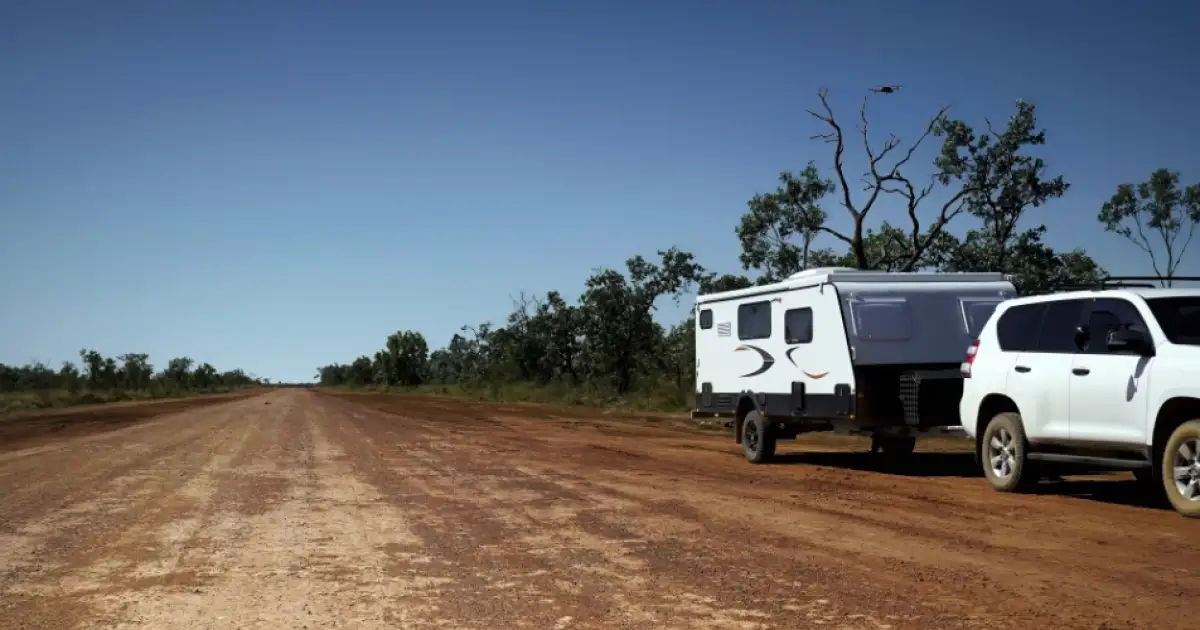
Transport in Australia is shaped by the country’s size, varied landscapes and the need to connect cities, regional centres and remote communities. The national transport network includes road, rail, air and sea travel, each playing a different role depending on distance, location and purpose. Australia’s major cities rely on public transport systems, while regional and remote areas depend more heavily on road travel and aviation to maintain essential links.
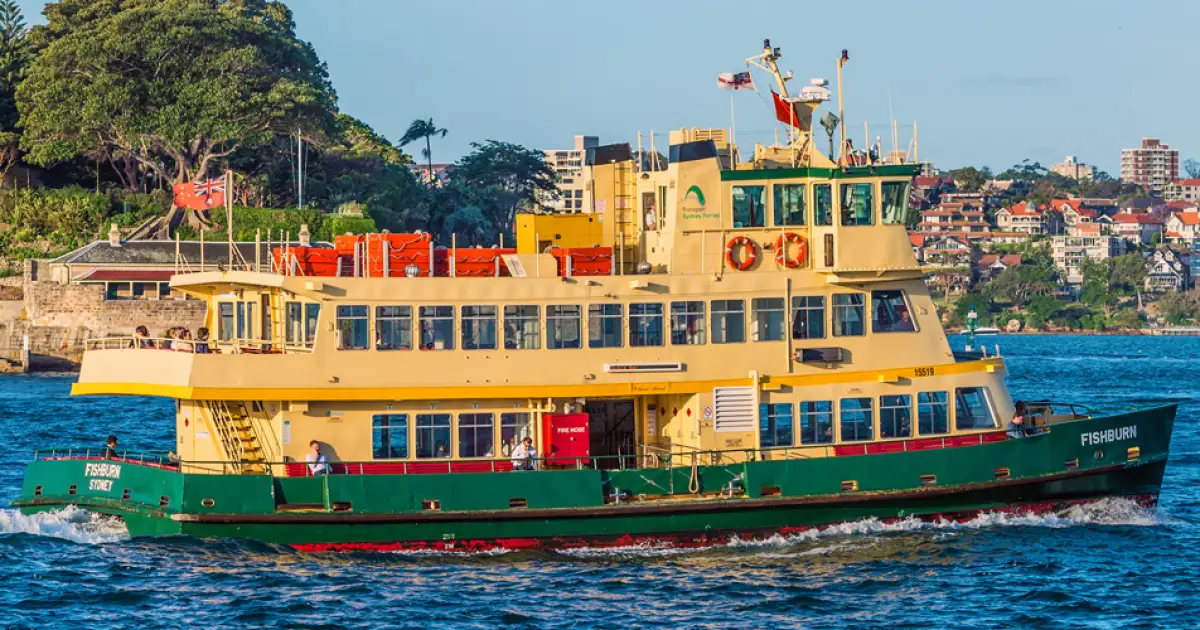
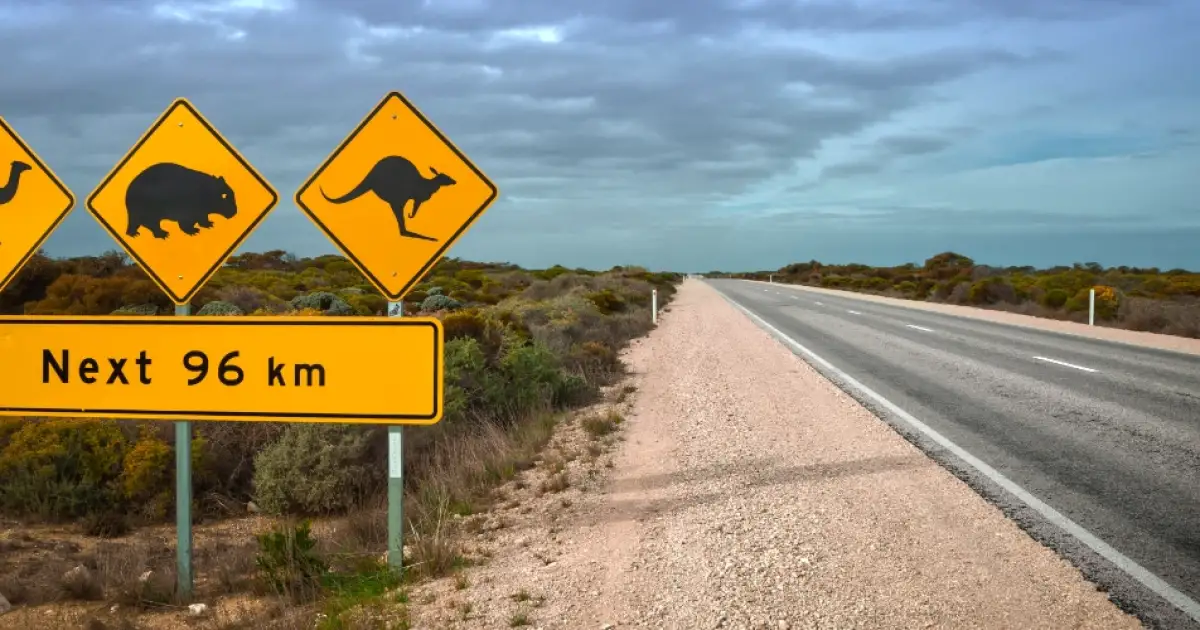
Road transport is the most widely used form of travel, supported by highways, regional roads and local networks that connect towns across the country. Rail services operate in capital cities and along key interstate routes, carrying passengers and freight between major centres. Air travel is essential for long-distance journeys and for reaching remote areas, with domestic airlines and smaller regional carriers providing services across the country. Sea transport supports freight, coastal shipping and passenger travel in specific regions, particularly Tasmania and northern Australia.
Australia’s transport systems continue to evolve as cities grow, regional areas develop and new infrastructure projects improve connections across the country. Whether travelling locally or crossing long distances, transport remains central to daily life, economic activity and the movement of people and goods throughout Australia.