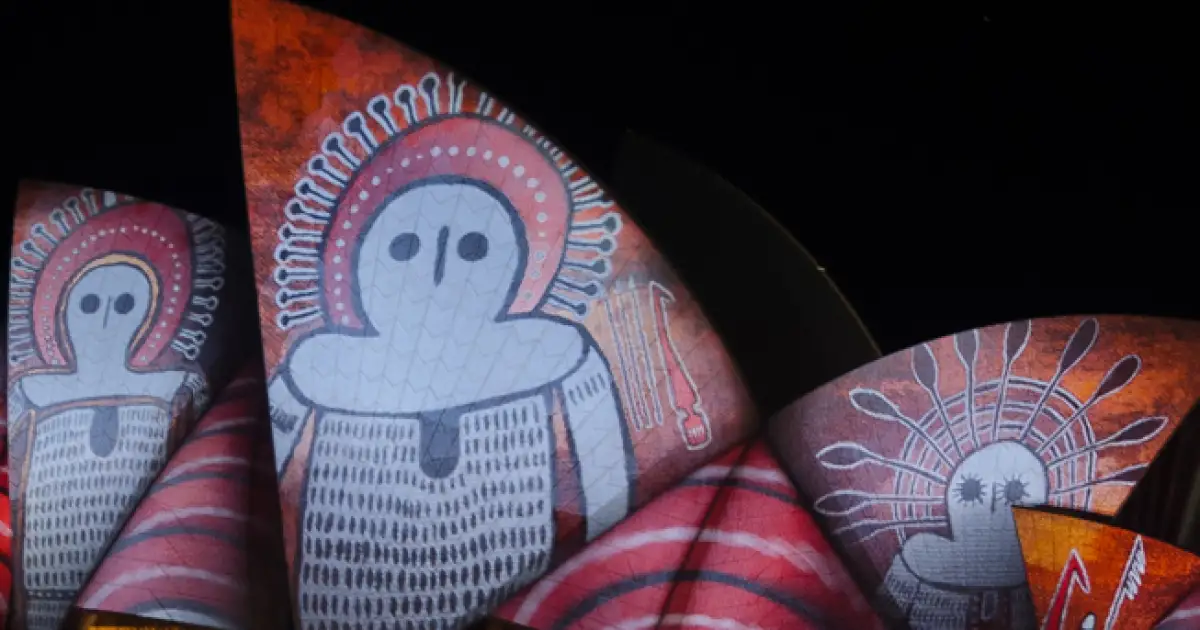
Taking place in the first full week of July, the event invites Australians from every walk of life to engage in activities and events that honour the nation's First Peoples. From schools to workplaces, and local communities to government agencies, NAIDOC Week is observed nationwide, creating opportunities for connection, education, and cultural pride.
The Origins of NAIDOC
NAIDOC stands for National Aboriginal and Islanders Day Observance Committee. When the committee was first established, it was known as NADOC, the National Aborigines Day Observance Committee. At the time, the term "Aborigines" was widely used. By 1991, the name evolved to NAIDOC, marking the inclusion of Torres Strait Islander peoples and reflecting broader changes in terminology, with "Aboriginal" being more respectful and accurate.
The acronym, while now historic, continues to symbolise generations of advocacy, unity, and cultural recognition.
The Historical Roots of NAIDOC Week
NAIDOC Week has its roots in the 1938 Day of Mourning, an event led by Aboriginal leaders to draw attention to the systemic discrimination faced by Indigenous Australians. This protest, a bold act of leadership, laid the foundation for broader recognition of Aboriginal and Torres Strait Islander peoples.
By 1957, the National Aborigines Day Observance Committee (NADOC) was formed, overseeing the first national celebrations in July. Over the decades, the week evolved and expanded to what is now known as NAIDOC Week—a week-long recognition of the resilience, spirit, and contributions of First Nations peoples.
Activities and Events During NAIDOC Week
NAIDOC Week provides an exciting platform to experience and explore Indigenous culture firsthand. Events may include:
- Cultural performances, featuring traditional music and dance
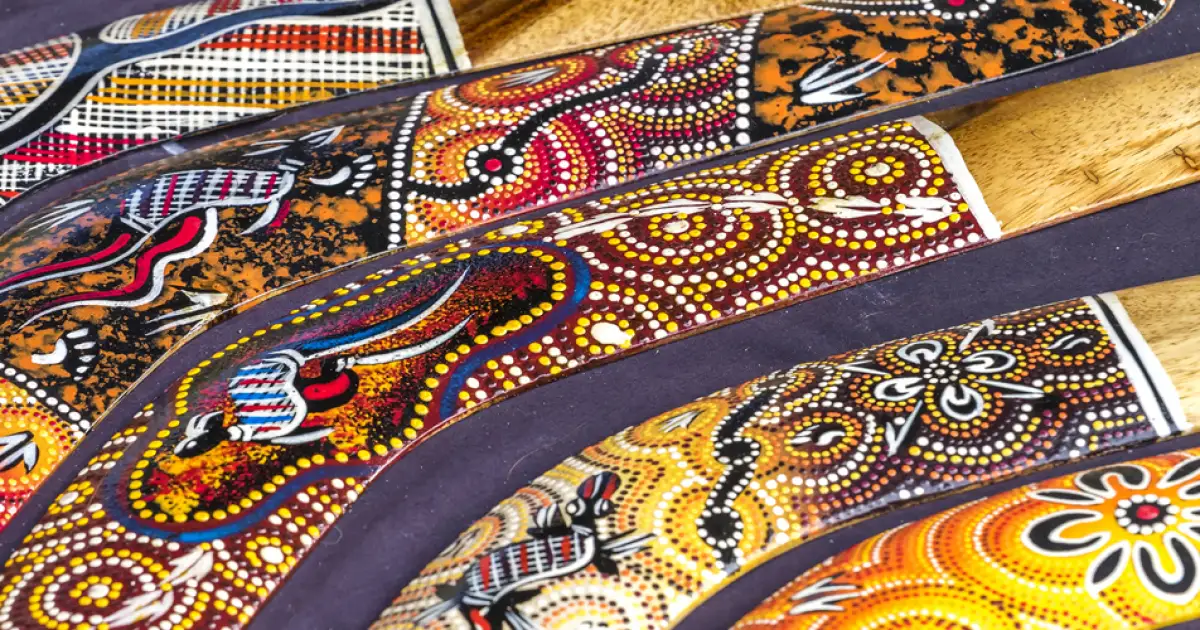
- Art exhibitions that showcase Indigenous creativity
- Storytelling sessions, highlighting Dreamtime narratives
- Educational programs in schools and workplaces to foster understanding and respect
Major cities and rural communities alike host celebrations, each brimming with local pride and participation. Media channels such as the ABC and SBS also contribute with dedicated programming, amplifying Indigenous voices and stories.
The National NAIDOC Awards
A key highlight of NAIDOC Week is the National NAIDOC Awards Ceremony. This event celebrates the outstanding contributions of Aboriginal and Torres Strait Islander individuals and organisations. From community leaders to artists, the awards highlight achievements that inspire and unite.
The ceremony, hosted in a different city each year, features cultural performances, Indigenous cuisine, and opportunities to connect with leaders and changemakers.
NAIDOC Week Themes
Each year, NAIDOC Week revolves around a central theme that frames the discussions, events, and activities. Themes such as "For Our Elders" (2023) and "The Next Generation: Strength, Vision & Legacy" (2025) have encouraged reflection on the past, action in the present, and hope for the future.
These themes not only celebrate cultural milestones but also address contemporary issues, inspiring collective action to create a more inclusive society.
Why NAIDOC Week Matters
NAIDOC Week offers all Australians a unique opportunity to celebrate the diverse and enduring cultures of Aboriginal and Torres Strait Islander peoples. It builds bridges between communities, fostering a sense of unity and shared commitment to reconciliation.
Through events, education, and cultural exchanges, NAIDOC Week encourages everyone to get involved, learn more, and honour the contributions of First Nations peoples to Australia’s identity.